When you go to your amplifier and plug in your guitar, and think, “This sounds great, but something essential is missing” is a great way to start thinking about guitar pedals. Every guitarist reaches that point; you start to appreciate tone, texture, and feel, and then suddenly you find yourself asking which stomp boxes are actually worth buying and which are just overrated.
I’ve experienced that disappointment. I’ve purchased pedals that looked great on demos, but then… it just didn’t work in the mix. For the purpose of this guide, let me sort out the top rated guitar pedals on Amazon, who they’re made for, and how to start building your first pedal board without spending too much. All links to the products are
Now, let’s sort through top rated products.
Best Pedals for Guitar (2026 Update)
Below are some of the best-selling, most trusted pedals for guitar in 2025. These aren’t random picks. These are value plays – pedals that deliver tone, reliability, and real-world usability.
Boss DS-1 Distortion Pedal – a classic distortion that’s been shaping rock tone since the late ’70s.
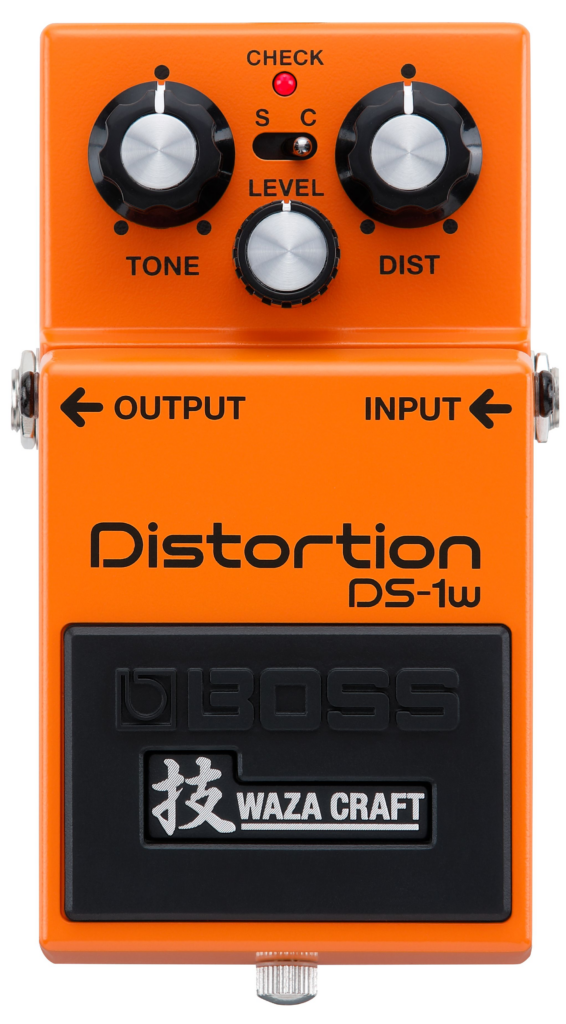
The Boss DS-1 is the kind of pedal that just works. It gives you tight, aggressive distortion that cuts through a mix without getting muddy. Beginners love it because it’s simple – three knobs, no confusion. Pros love it because it stacks well with other pedals and responds to picking dynamics. If you’re into rock, punk, or classic metal, this is a no-brainer. It’s durable, built like a tank, and holds its value.
Pros: Affordable, iconic tone, ultra-durable.
Cons: Can sound harsh at extreme settings.
Ibanez Tube Screamer Mini – smooth overdrive in a compact format.
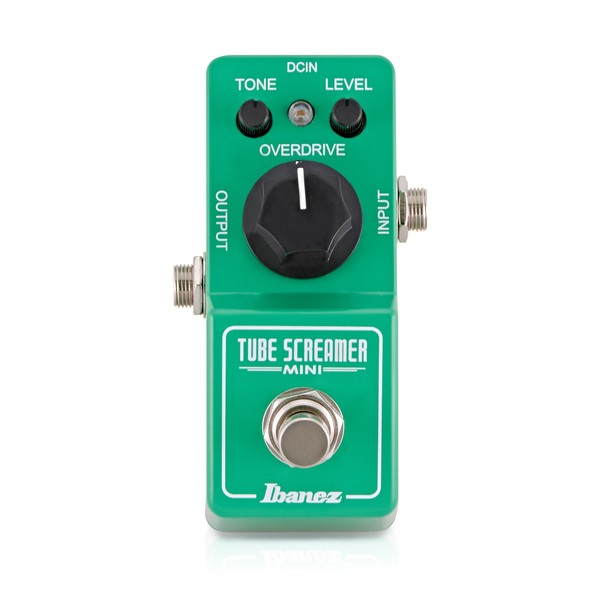
If distortion is brute force, the Tube Screamer is finesse. This pedal boosts your mids, tightens your low end, and makes your amp feel alive. Blues players swear by it. So do metal players who use it as a boost. The Mini version keeps the same core circuit but saves space on your board. If you want expressive, dynamic overdrive that feels expensive without the price tag, this is it.
Pros: Warm, musical overdrive, compact size.
Cons: Less low-end for modern heavy styles.
MXR M169 Carbon Copy Analog Delay – lush analog delay with character.
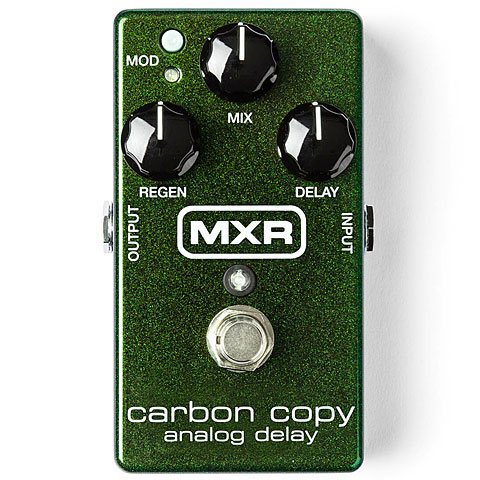
Delay changes everything. It adds space, depth, and vibe. The Carbon Copy gives you warm, organic repeats that never overpower your playing. It’s perfect for ambient swells, solos, and subtle slapback. Unlike digital delays that can feel sterile, this one breathes. It’s one of the most trusted delay pedals for guitar players who want texture without complexity.
Pros: Rich analog warmth, simple controls.
Cons: No tap tempo.
TC Electronic Hall of Fame 2 Reverb – versatile reverb with modern flexibility.
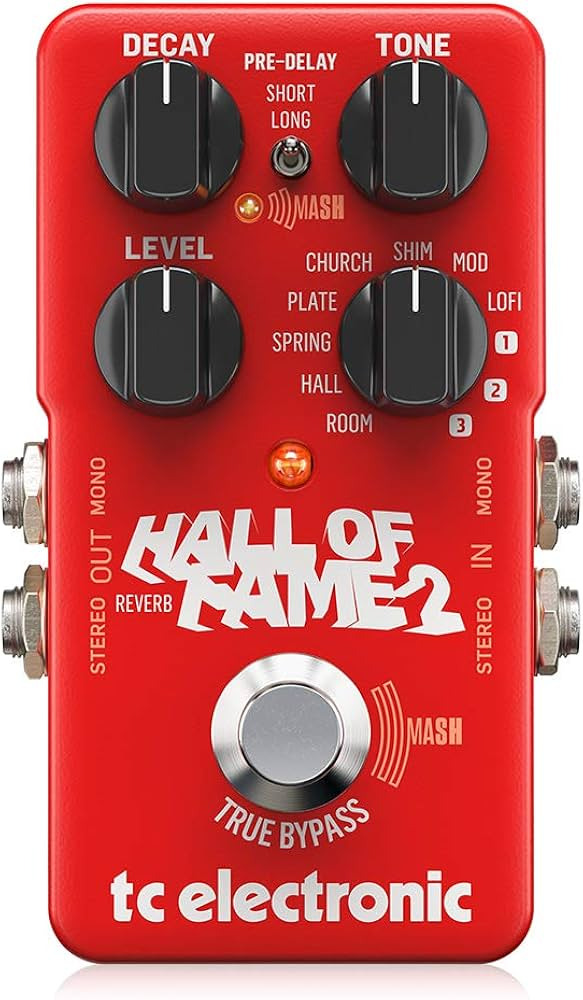
Reverb is the “glue” of your tone. The Hall of Fame 2 gives you everything from subtle room ambience to massive cathedral sounds. It includes multiple reverb types and even customizable TonePrint options. If you want one pedal that covers clean pop, shoegaze walls, and dreamy lead tones, this is a powerhouse. It’s especially great for beginners building their first board because it does so much in one unit.
Pros: Wide range of sounds, TonePrint support.
Cons: Slight learning curve.
Dunlop Cry Baby GCB95 Wah Pedal – the expressive classic.
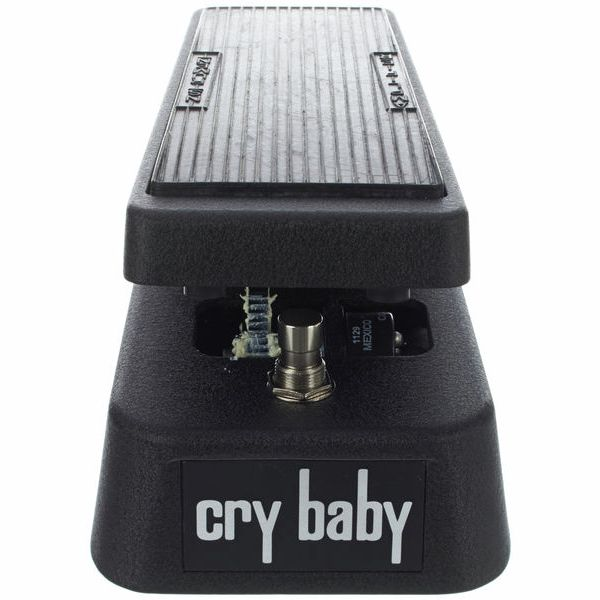
Wah is pure personality. The Cry Baby gives you that vocal sweep heard on countless rock and funk records. It reacts to your foot pressure, making it dynamic and expressive. If you’re into Hendrix-style leads or modern hard rock, a wah pedal adds serious stage presence. It’s built tough and feels solid underfoot.
Pros: Iconic sound, durable build.
Cons: Takes practice to use tastefully.
These five pedals alone can build a killer first board. Distortion. Overdrive. Delay. Reverb. Wah. That’s a full tonal ecosystem.
How to Choose the Right Pedals for Guitar
Now here’s where most beginners mess up. They buy pedals randomly. No strategy. No signal chain plan. Just vibes.
Don’t do that.
1. Type of Effect – Start With the Core
There are four essential categories for most players:
- Drive (overdrive, distortion, fuzz) – adds grit and sustain.
- Modulation (chorus, phaser, flanger) – adds movement.
- Time-based (delay, reverb) – adds depth and space.
- Utility (tuner, noise gate, volume) – keeps your rig clean.
If you’re new, start with one drive pedal and one time-based pedal. That combo alone dramatically upgrades your tone.
2. Sound & Tone Goals
Ask yourself: What’s my dream outcome?
Are you chasing blues warmth? Go for an overdrive like the Tube Screamer.
Modern rock punch? A distortion pedal like the DS-1.
Ambient, atmospheric vibes? Delay and reverb are your best friends.
Your pedalboard should match your musical identity – not some influencer’s rig.
3. Price Range – Avoid the Shiny Trap
You do NOT need boutique pedals to sound good. Many affordable pedals for guitar deliver disproportionate value. Start simple. Learn what you like. Then upgrade later.
Remember: tone comes from your fingers first. Gear amplifies it.
4. Brand Reputation
Brands like Boss, MXR, Ibanez, Dunlop, and TC Electronic have been around for decades for a reason. Reliability matters. Cheap no-name pedals might save you $20 now but cost you gigs later.
5. Comfort & Board Space
Mini pedals save space. Standard-size pedals are easier to tweak on stage. Think about your pedalboard size early. Planning prevents chaos.
Signal chain basics:
Tuner → Drive → Modulation → Delay → Reverb.
Keep it clean. Keep it logical.
Tips for Beginners or FAQs
Let’s answer real questions people actually search for when looking into pedals for guitar.
1. Is acoustic guitar easier than electric?
Electric is generally easier to press down and bend strings. Acoustic builds finger strength but requires more pressure.
2. How many pedals does a beginner need?
One or two. Seriously. Start small.
3. What pedal should I buy first?
A versatile overdrive or distortion pedal. It changes your sound instantly.
4. Are cheap guitar pedals worth it?
Some are. Many aren’t. Stick with proven brands when possible.
5. Do pedals work with any amp?
Most do, but the amp affects how they sound. Tube amps respond more dynamically to drive pedals.
6. Do I need a power supply?
Yes. Avoid cheap daisy chains if you can. Isolated power reduces noise.
7. What order should guitar pedals go in?
Tuner → Drive → Modulation → Delay → Reverb is the standard starting point.
8. Can I use pedals without a pedalboard?
Absolutely. A pedalboard just keeps things organized.
9. Do I need both overdrive and distortion?
Not at first. Start with one and learn its range.
10. What’s the difference between overdrive and distortion?
Overdrive mimics pushed tube amps – smoother. Distortion is more aggressive and compressed.
11. Is delay necessary?
Not necessary – but highly recommended. It adds dimension fast.
12. Are mini pedals as good as full-size?
Often yes. They save space but may have fewer controls.
13. Can too many pedals hurt my tone?
Yes. Long signal chains can add noise and reduce clarity if not managed properly.
14. Should I buy used pedals?
Used can offer great value if the pedal is in good condition.
15. Do famous guitarists use basic pedals?
Absolutely. Many pros still use “boring” pedals like the DS-1 or Tube Screamer.
Perception. Perception. Perception.
It’s not about how expensive your gear is. It’s about how you use it.
Conclusion
Let’s get one thing straight. Guitar pedals don’t have magic powers. They’re tools. They won’t turn you into a legend. But they could help you feel inspired to work on your craft, and a little inspiration goes a long way.
You want to avoid losing money to gear anxiety? Start with what you need, and what makes sense, and build from there.
For options to help take your tone to the next level, check out these pedals and see what fits yout style. If you’re still figuring out your full setup, check out more options here
Whether you’re new to the journey, or you’re just finalizing your board, check out these pedals on Amazon to find the one that inspires you to plug and play.