Author: Davyd Chornovol

  • TOO FAST FOR LOVE — Complete Guide, History, Songs, Cover Art, Gear & Legacy

    Introduction

    “Too Fast for Love” wasn’t just a debut — it was a declaration of war from four Los Angeles misfits who didn’t care about rules, radio, or reputation. Released independently in 1981, this raw, unfiltered record captured Motley Crue before fame smoothed their edges. It’s fast, cheap, chaotic, and absolutely essential to understanding the birth of 80s glam-metal.

    Motley Crue weren’t polished musicians yet — but they had swagger, danger, and a vision. And that’s why the album still hits like a fist wrapped in leather.

    What Is “Too Fast for Love”? (Album Overview)

    “Too Fast for Love” is Motley Crue’s first studio album, originally released on November 10, 1981 via Leathür Records, and re-released in 1982 by Elektra with a remixed sound and altered tracklist. It blends punk aggression, glam-rock aesthetic, and early heavy metal energy.

    The themes revolve around nightlife, reckless love, addiction, rebellion, and the grinding desperation of early-80s Los Angeles. It matters because it laid the foundation for what would become the Sunset Strip glam-metal explosion.

    History of Creation

    Early Writing & Inspirations

    Nikki Sixx wrote many of the album’s tracks while living in poverty, channeling influences from New York Dolls, Sweet, The Ramones, and early Judas Priest. Motley Crue were playing tiny clubs, crashing in filthy apartments, and surviving on cheap booze and adrenaline.

    Most songs were crafted quickly — not with a “studio mindset,” but with a punk “get in, get loud, get out” mentality.

    Recording Sessions & Studios

    The original 1981 Leathür Records version was recorded in just a few days at Hit City West and Cherokee Studios. The band had practically no budget, so the sound is raw, loose, and underproduced — which became part of the album’s charm.

    When Elektra signed the band, producer Roy Thomas Baker started remixing, but the final version was handled by engineer Michael Wagener. The Elektra version is cleaner, but many fans insist the Leathür mix is the truer, dirtier vision.

    Producer & Production Approach

    The production aimed to bottle the band’s ferocity rather than polish it. Minimal overdubs, heavily distorted guitars, loud bass, and Vince Neil’s unfiltered vocals give the album a street-level authenticity.

    The goal was simple: capture a dangerous live band on tape — not to make them sound safe.

    The Original Album Cover

    Artist Behind the Artwork

    The cover was shot by photographer Michael Pinter, featuring Vince Neil’s leather-clad crotch with metal studs and a hanging chain — styled as a tribute to The Rolling Stones’ “Sticky Fingers.” It instantly communicated the band’s fetish-inspired, street-punk aesthetic.

    Meaning of the Cover

    The image represented sex, rebellion, kink, and the gritty fetish fashion of the early Sunset Strip scene. It wasn’t just shock value — it was a mission statement: this band lived dangerously and looked the part.

    Why the Original Cover Raised Controversy

    While not banned, the sexualized leather-and-chains crotch provoked conservative critics and some retailers. It embodied the sleazy, aggressive identity Motley Crue leaned into from day one.

    Alternative / Replacement Album Covers

    The Elektra reissue used the same photo but updated the typography and layout. Various international editions have logo changes, spine variations, and slightly altered crops — all of which are now extremely collectible.

    Tracklist (Full & In Order)

    Leathür Records (1981 Original)

    1. Live Wire
    2. Come On and Dance
    3. Public Enemy #1
    4. Merry-Go-Round
    5. Take Me to the Top
    6. Piece of Your Action
    7. Starry Eyes
    8. Stick to Your Guns
    9. Too Fast for Love
    10. On with the Show

    Elektra Records (1982 Reissue)

    1. Live Wire
    2. Come On and Dance
    3. Public Enemy #1
    4. Merry-Go-Round
    5. Take Me to the Top
    6. Piece of Your Action
    7. Starry Eyes
    8. Too Fast for Love
    9. On with the Show

    Song-by-Song Meaning & Analysis

    Live Wire

    A relentless opener about raw sexual energy and self-destructive thrill. It’s the band’s early identity in audio form: fast, reckless, and impossible to ignore.

    Come On and Dance

    A sleazy, flirtatious track about Sunset Strip nightlife, filled with glam swagger and youthful bravado.

    Public Enemy #1

    Inspired by real L.A. gangsters the band encountered; Nikki romanticized outlaw culture and danger in everyday street life.

    Merry-Go-Round

    One of the album’s darker songs about emotional cycles, abandonment, and unstable relationships — a rare introspective moment.

    Take Me to the Top

    A defiant anthem about ambition and climbing out of nothing. Early punk-metal energy with big, sweeping riffs.

    Piece of Your Action

    A lust-fueled track dripping with sleaze, representing the band’s obsession with sex, nightlife, and taboo fantasy.

    Starry Eyes

    A more melodic, almost power-pop track about longing, innocence, and heartbreak — showing Crue’s surprising range.

    Stick to Your Guns

    An early empowerment anthem about perseverance and refusing to bow to pressure. Often overlooked but essential to the Leathür version.

    Too Fast for Love

    A punky metal anthem about reckless youth and romantic chaos. The title track sums up the band’s early ethos perfectly.

    On with the Show

    A semi-autobiographical story foreshadowing ambition, tragedy, and the band’s mythologized rise. A cult favorite for hardcore fans.

    Instruments, Guitars, Amps & Gear Used

    Guitars

    Mick Mars played:
    – BC Rich Warlock
    – Gibson Les Paul Custom
    – Kramer models

    His tone was biting, mid-heavy, and more punk-inspired than the polished tones of later Crue albums.

    Nikki Sixx used:
    – Gibson Thunderbird
    – B.C. Rich Eagle basses
    Both delivered aggressive pick attack and gritty low-end.

    Amplifiers & Settings

    Mick’s tone was built on:
    – Marshall JMP heads
    – Modded older Super Leads
    Settings leaned toward high gain, cutting mids, and bright highs.

    Nikki used:
    – Ampeg and Peavey bass rigs early on
    – Often drove amps into natural distortion

    Tommy Lee used Tama drums and Paiste cymbals, already establishing his huge, arena-ready sound.

    Pedals & Effects

    Minimal pedals:
    – Distortion/overdrive boosts
    – Chorus for clean passages
    – Wah for select leads
    Most of the tone came from raw amps and aggressive playing.

    Recording Techniques

    – Guitars double-tracked but intentionally loose
    – Minimal drum gating to retain live feel
    – Bass pushed high in the mix for punk aggression
    – Vocals treated with slapback echo and natural room sound

    Album Formats & Collectibles

    Vinyl Versions

    Leathür Records (1981 Original Press):
    The holy grail of Motley Crue collectibles — uncensored mix, original tracklist, raw production.
    Sells for high prices depending on condition, matrix, and sleeve version.

    Elektra 1982 Vinyl:
    Cleaner mix, altered tracklist, widely distributed.
    Still collectible but less rare.

    Notable variants:
    – Canadian pressings
    – Japanese editions with OBI strips
    – Picture discs
    – Alternate logos and spine colors

    CD Versions

    – Early 80s Elektra CDs
    – 1990s remasters
    – 2000s reissues
    – 2021 anniversary remaster

    Each version has different mastering levels, with dynamic range varying across decades.

    Cassette Releases

    – Leathür cassette (extremely rare)
    – Elektra cassettes
    – International tape releases (Japan, Canada, Europe)

    Tapes are especially valued for unique artwork variations.

    Deluxe / Box Sets

    The band has released remastered versions and expanded anniversary editions, sometimes including demos, early mixes, and memorabilia.

    Chart Performance

    Peak Positions

    The original release didn’t chart due to limited distribution.
    The Elektra reissue performed better:

    – Billboard 200: eventually reached #77
    – Canada: Top 100
    – Europe: later charted during the 80s glam boom

    Certifications

    Eventually certified Platinum in the U.S., boosted by the band’s rising fame after “Shout at the Devil.”

    Sales Numbers

    Total worldwide sales: estimated 2–3 million copies across all formats.
    While not a blockbuster, it became a cult classic and the blueprint for Crue’s identity.

    The Album in Pop Culture

    “Live Wire” appears in:
    – The Dirt (2019)
    – Various wrestling and MMA events
    – Countless L.A. nightlife documentaries

    Motley’s early leather-and-chains aesthetic influenced:
    – Glam fashion
    – 80s metal videos
    – Fetish streetwear
    – Everything from anime character design to runway shows

    “On with the Show” became a fan hymn, quoted in tattoos, posters, and Crue documentaries.

    Motley’s early era inspired entire scenes, including European glam-sleaze revivals and modern retro-metal acts.

    Critical Reception

    Reviews (then vs now)

    Early reviews were mixed, some dismissing Crue as crude imitators of punk and glam pioneers. Others praised the raw energy and danger lacking in mainstream rock.
    Today, critics view “Too Fast for Love” as a foundational glam-metal document and one of the most important indie rock releases in L.A. history.

    Rankings on Best Albums Lists

    The album appears on lists such as:
    – “Top Glam Metal Albums of All Time”
    – “Essential 80s Debuts”
    – “Greatest Independent Releases in Rock”

    While not as acclaimed as “Shout at the Devil” or “Dr. Feelgood,” it’s considered essential for understanding the band’s evolution.

    Legacy & Influence

    Impact on Rock & Metal

    This album helped ignite the Sunset Strip glam-metal movement.
    Its hybrid of punk speed, metal riffs, and glam aesthetics inspired bands like:
    – Ratt
    – Poison
    – W.A.S.P.
    – Faster Pussycat
    – L.A. Guns

    Crue made sleaze fashionable — and dangerous again.

    Artists Inspired by the Album

    Modern glam-sleaze acts like Crashdïet, Hardcore Superstar, and Crazy Lixx cite it as a template. Post Malone, Machine Gun Kelly, and other mainstream artists also reference its aesthetic.

    Why the Album Still Matters

    It’s a time capsule of pure hunger, grit, and ambition.
    It captures Motley Crue before fame, before excess, before the machine took over.
    It’s punk-metal lightning in a bottle — and you can still feel the electricity today.

  • Appetite for Destruction — Complete Guide, History, Songs, Cover Art, Gear & Legacy

    Introduction

    “Appetite for Destruction” isn’t just another debut album. It’s a cultural detonation — the kind of record that kicks down the door, tosses a lit match, and changes the whole rock landscape before anyone even realizes what happened. Guns N’ Roses came out swinging with something raw, dangerous, and fully unpolished. And the world, frankly, wasn’t ready… but it also couldn’t look away.
    This album didn’t just make money or hit charts. It re-architected what hard rock could feel like — a gritty mix of swagger, desperation, street survival, and unbelievable musicianship that still hits with disproportionate force decades later.

    What Is “Appetite for Destruction”? (Album Overview)

    “Appetite for Destruction” is the 1987 debut album by Guns N’ Roses, a Los Angeles hard-rock band that merged the sleaze of Sunset Strip with an almost punk-level disregard for polish or safety. The record blends hard rock, blues-rock, glam-metal aesthetics, and gritty street-level storytelling.

    Released July 21, 1987, it arrived into a market saturated with polished pop-metal bands. But this album wasn’t shiny. It was feral — a portrait of addiction, survival, sex, self-destruction, and the messed-up glory of life on the edge.

    Why it matters?
    Because “Appetite” became the best-selling debut album in U.S. history. Because every song feels like a punch thrown with precision. And because its influence stretches far beyond rock, shaping fashion, attitude, and even modern guitar culture.

    History of Creation

    Early Writing & Inspirations

    The seeds of “Appetite” were sown before Guns N’ Roses even finalized their lineup. Many songs came from the band’s pre-GN’R history — tracks like “Think About You,” “Anything Goes,” and parts of “Rocket Queen” trace back to Axl’s earlier band Hollywood Rose.

    By the mid-80s, the band lived in a tiny, half-derelict apartment on Gardner Street in West Hollywood — a place where electricity wasn’t guaranteed and police showed up more often than friends. The environment was chaotic, but it fed the writing:
    – “Welcome to the Jungle” came from Axl’s shock moving to L.A.
    – “Paradise City” was born on a road trip with the band chanting in the back of a van.
    – “Mr. Brownstone” was literally written about the band’s heroin problems… on the day they were waiting for a dealer.

    Guns N’ Roses weren’t writing fiction. They were documenting reality.
    And that’s why the record hits so hard.

    Recording Sessions & Studios

    The album was recorded from January–June 1987 at multiple studios in Los Angeles, including:
    – Rumbo Recorders
    – Take One Studio
    – Media Sound
    – Can-Am Studios

    The sessions were intense but surprisingly efficient. Slash later said they didn’t waste time — every part was recorded with deadly precision, because they’d lived with these songs for years in clubs.

    Axl required more time due to vocal layering and perfectionism. His process was methodical — sometimes isolating himself, sometimes recording late at night, sometimes demanding just the right emotional tone before hitting the mic.

    Producer & Production Approach

    The album was produced by Mike Clink, a quiet, meticulous engineer who’d previously worked with Triumph. He wasn’t flashy — which is exactly why GN’R chose him. They wanted a guy who would capture their sound, not reshape it.

    Clink’s approach:
    – record the band mostly live
    – capture real amp tones, not processed effects
    – stack Axl’s vocals with intensity, not gloss
    – keep guitars gritty, not glam
    – let Steven Adler’s swing and groove drive the record

    His production is one of the biggest reasons “Appetite” doesn’t sound dated. It’s raw but controlled, chaotic but clear, dirty but precise.

    The Original Album Cover

    Artist Behind the Artwork

    The infamous original cover art for “Appetite for Destruction” was created by Robert Williams, an underground painter whose work combined surrealism, eroticism, and shock art. Williams titled the piece “Appetite for Destruction” long before GN’R adopted it.

    Meaning of the Cover

    The artwork shows:
    – a robot rapist
    – a woman who has been assaulted
    – a monstrous, metallic avenger launching downward
    – chaotic destruction in a surreal, dystopian alley

    The image is intentionally disturbing — a metaphor for violence, urban corruption, and industrial brutality. It mirrored the themes of GN’R’s lyrics: danger, survival, predation, and the twisted mechanics of urban life.

    Why the Original Cover Was Banned

    Retailers were furious.
    Major stores refused to stock the album, claiming the artwork depicted sexual violence (it did) and glorified a culture of chaos (debatable but understandable).

    To avoid commercial suicide, Geffen Records ordered the band to switch the cover.

    The original art was moved to the inner sleeve.

    Alternative / Replacement Album Covers

    The replacement cover — now iconic — features:
    – A cross tattoo layout
    – Five skulls, one for each band member
    – Artwork by Billy White Jr.
    – A style inspired by old biker artwork and tattoo culture

    This cover became a cultural symbol and remains one of rock’s most recognizable images.

    Tracklist (Full & In Order)

    The official Appetite for Destruction tracklist, as released on July 21, 1987:

    1. Welcome to the Jungle
    2. It’s So Easy
    3. Nightrain
    4. Out Ta Get Me
    5. Mr. Brownstone
    6. Paradise City
    7. My Michelle
    8. Think About You
    9. Sweet Child O’ Mine
    10. You’re Crazy
    11. Anything Goes
    12. Rocket Queen

    Song-by-Song Meaning & Analysis

    1. Welcome to the Jungle

    “Welcome to the Jungle” is the album’s opening explosion — a disorienting plunge into Los Angeles through the eyes of someone naïve, hopeful, and then rapidly traumatized. Axl wrote much of the lyrical concept after moving to L.A. from Indiana, discovering that the city’s beauty came packaged with danger, addiction, violence, and predatory people.
    The song balances swagger with paranoia: “You’re in the jungle, baby… you’re gonna die” isn’t metaphorical bravado; it’s a summary of Guns N’ Roses’ surroundings. Musically, Slash’s intro riff is a masterpiece — sliding chromatics and palm-muted tension leading into a hard-rock sprint. It’s the perfect thesis statement for the album: menace, power, and a weird kind of glory.

    2. It’s So Easy

    This track is a punch in the face wrapped in sarcasm. “It’s So Easy” captures a moment in the band’s life when they suddenly had access to attention, drugs, casual relationships, and money — not because they were stable adults, but because they were chaotic and dangerous.
    The lyrics read like a mockery of ego-driven nightlife: everything feels easy because you stop caring about consequences. Duff McKagan and West Arkeen co-wrote the track, and Duff’s bassline drives the whole thing with a punky minimalism. The chorus flips into a sinister scream — a preview of Axl’s ability to twist a song’s emotional center instantly.

    3. Nightrain

    “Nightrain” is the band’s love letter to the cheap fortified wine called Night Train Express, which they drank constantly because it was strong, cheap, and easy to find. The song celebrates the reckless freedom of being broke but unstoppable — walking the streets, sharing a bottle, and feeling invincible.
    Musically, it’s classic GN’R: a swaggering groove, bluesy guitar fills, and a chorus that feels like a drunken shout-along anthem. Slash’s outro solo is one of his most melodic, using bends and sustained notes to create something triumphant despite the chaos of the lyrics.

    4. Out Ta Get Me

    This track is essentially Axl Rose vs. The System.
    It reflects Axl’s long-standing difficulties with authority — school, police, landlords, probation officers, anyone who tried to control him. He always felt unfairly targeted, and “Out Ta Get Me” is the musical version of that mindset.
    The song’s energy comes from Steven Adler’s swing — unlike most metal drummers of the era, Adler played like a rock drummer with groove, not a metronome. The riffs are crunchy, aggressive, and feel like they’re perpetually trying to break out of a cage.

    5. Mr. Brownstone

    “Mr. Brownstone” is the album’s most blatant confession: a brutally honest chronicle of the band’s heroin use. Duff and Slash literally wrote the song in an apartment while waiting for a dealer.
    The tone flips between witty sarcasm (“We’ve been dancing with Mr. Brownstone”) and the dark realization that addiction started controlling their lives.
    Musically, the track uses a funky, almost Stones-like rhythm, which contrasts sharply with the seriousness of the subject. Clink’s production keeps the guitars gritty, making the tension feel real.

    6. Paradise City

    This is the only song the entire band wrote together — and you can hear that unity. Lyrically, it blends nostalgia (“Take me down to the Paradise City”) with raw longing for escape from the violence and poverty they saw around them.
    Slash has famously said he wanted the chorus to end with “…where the girls are fat and they’ve got big titties,” but Axl’s version became the canonical one.
    The song builds like a journey: dreamy intro, mid-tempo verses, and a final section that erupts into high-speed hard rock. Live, this outro is a highlight precisely because it turns the song into a sprint.

    7. My Michelle

    “My Michelle” was written about a real girl named Michelle Young — someone the band knew personally. The lyrics detail her life with uncomfortable honesty: dead mother , father involved in adult films, heavy drug use, and emotional instability.
    Most bands would have romanticized or softened the story. GN’R didn’t. That’s part of what made them different — ruthless authenticity.
    Musically, the song starts with a deceptively gentle intro before exploding into one of the album’s heaviest riffs. Axl’s vocal performance is theatrical, angry, and full of grit.

    8. Think About You

    A pure Izzy Stradlin track.
    This is one of the album’s few songs dealing with something close to tenderness — though in GN’R style, that tenderness still comes wrapped in distorted guitars. Izzy originally wrote it years before GN’R formed, and his rhythm playing defines the track.
    Lyrically, it’s about the rush of early love and the way a new relationship can feel like a wild escape. Musically, it’s light, fast, and punk-ish, making it one of the breezier moments on the album.

    9. Sweet Child O’ Mine

    The band’s biggest hit — ironically born as a joke. Slash was warming up with a silly, circus-like riff. Izzy joined in. Steven added a beat. Axl went upstairs, heard the jam, and began writing lyrics inspired by Erin Everly, his then-girlfriend.
    The song is one of rock’s great contradictions: a heartfelt love ballad surrounded by aggressive songs about drugs, violence, and survival.
    Musically, the track is built on Slash’s melodic phrasing and layered guitar harmonies. The outro solo is one of his finest — lyrical, emotional, and technically perfect without ever feeling show-offy.

    10. You’re Crazy

    “You’re Crazy” originally existed as a slower, acoustic-driven track. The album version is the fast, aggressive, electrified version — more bark, more bite, and way more chaos.
    The lyrics deal with a destructive relationship filled with volatility, obsession, and emotional whiplash. Axl delivers some of his most intense screams here, pushing his voice into a razor-thin, high-pressure zone.
    Live, GN’R sometimes played the slower version, proving how flexible their songwriting actually was.

    11. Anything Goes

    This is the album’s most overtly sexual track. No metaphors, no ambiguity — it’s about lust, experimentation, and the dangerous fun of complete abandon.
    Originally an old Hollywood Rose track, the band reworked it to include a talkbox part from Slash, giving the song a unique texture among the album’s guitar tones.
    Lyrically, it matches the sleaze of the Sunset Strip perfectly — dirty, shameless, and delivered with a grin.

    12. Rocket Queen

    One of the most ambitious songs on the album.
    “Rocket Queen” is split into two halves:
    – the first: sleazy, aggressive, swaggering
    – the second: unexpectedly emotional and uplifting

    Axl wanted to show two sides of himself — the dangerous persona and the vulnerable human.
    The infamous “sex noises” in the middle section were recorded in the studio with Axl and a woman named Adriana Smith. Whether it was real or staged remains debated, but it added to the band’s legend.
    Musically, this track contains some of Slash’s best riffs and one of the most emotional guitar solos of the entire record.

    Instruments, Guitars, Amps & Gear Used

    Few rock albums have gear mythology like Appetite for Destruction. The tones are iconic — raw but controlled, bluesy but aggressive, never over-polished, never glam. The sound was built on attitude first, equipment second. But the equipment did matter, and the gear choices shaped the album’s unmistakable sonic identity.

    Guitars

    Slash’s Guitars

    Despite the modern image of Slash wielding a Gibson Les Paul, the story is more chaotic. On Appetite, he used:

    • A 1958–1959-style Les Paul replica built by luthier Kris Derrig
      This is the actual Appetite guitar — not a Gibson. It had Seymour Duncan Alnico II Pro pickups that helped shape Slash’s creamy mid-gain sound.
    • BC Rich Warlock
      Used on early sessions but mostly abandoned because Slash hated the tone.
    • Jackson Firebird-style guitar
      Used occasionally for specific overdubs.

    Izzy Stradlin’s Guitars

    Izzy’s playing was the glue — loose, groovy, perfectly imperfect. His guitars included:

    • Gibson ES-175
      Jazz guitar for rhythm parts; gave the album its woody midrange.
    • Gibson Les Paul Junior
      Raw P-90 bite that cut through the mix.
    • Telecaster-style guitars
      Used on brighter, janglier rhythms like “Paradise City.”

    Duff McKagan’s Bass

    Duff’s bass tone is instantly recognizable — punk meets hard rock.

    • Fender Precision Bass Special (1980s)
      Black, maple neck, stock pickups.
      Tone: midrange-forward, slightly overdriven, tight low end.

    Steven Adler’s Drums

    Adler’s drumming is crucial to the album’s swing.

    • Ludwig kits with large kick and toms
    • Zildjian cymbals
    • Wooden snare for extra warmth

    His groove is why Appetite has feel instead of rigid metal stiffness.

    Amplifiers & Settings

    Slash’s Amps

    Slash famously used:

    • Marshall JCM 800 2203 100-watt head
      The main amp — allegedly rented from SIR Studio #39, a modded head many players worship.
    • Marshall 1960B 4×12 cabinet
      Loaded with Celestion speakers.

    Typical Appetite settings (approximate):

    • Gain: 6–7
    • Bass: 6
    • Mid: 7–8 (key to Slash’s tone)
    • Treble: 6
    • Presence: 6

    Izzy’s Amps

    • Mesa/Boogie Mark series amps for controlled overdrive
    • Fender Twin Reverb for cleaner rhythms
    • Marshall combos for crunch

    Duff’s Bass Rig

    • Gallien-Krueger 800RB head
    • GK 4×10 cabinets

    That overdriven punk edge? Mostly GK.

    Pedals & Effects

    Slash is not a pedal-heavy guitarist on this record.

    Slash’s known/presumed pedals on Appetite:

    • Boss GE-7 Equalizer (key to his lead boost)
    • Dunlop Cry Baby wah (used sparingly)
    • MXR Analog Delay (studio ambience, not live)
    • Talkbox on “Anything Goes”

    Izzy used almost no pedals — his tone was amp-driven.

    Duff used:

    • Chorus (likely Boss CE-2) for slight modulation
    • Mild overdrive from amp gain

    Appetite’s magic lies in simplicity: fingers → guitar → amp → attitude.

    Recording Techniques

    Producer Mike Clink focused on authenticity:

    1. Mostly live band tracking
    Guitars, bass, and drums recorded simultaneously to capture their chemistry.

    2. Minimal processing
    No re-amping, no digital manipulation, no excessive gating.

    3. Axl’s vocal layers were highly controlled
    He recorded many takes for each harmony and screamed part.

    4. Double-tracked guitars
    Izzy left, Slash right — classic hard rock stereo image.

    5. Solos were mic’d close
    Slash preferred Shure SM57s angled at the speaker edge.

    6. Natural drum room sound
    Adler’s swing is preserved because the room microphones breathed instead of choking the sound with compression.

    This production approach is why Appetite sounds timeless instead of “80s.”

    Album Formats & Collectibles

    Appetite has one of the richest collector markets in rock history. Vinyls, cassettes, CDs — even misprints — often sell for surprising money.

    Vinyl Versions (Original, Reissues, Rare Pressings)

    1. 1987 Original U.S. Vinyl (“Banned Cover”)

    • Geffen Records
    • Robert Williams’ artwork
    • Now extremely collectible
    • Sealed copies can sell for thousands

    2. 1987 Replacement “Cross & Skulls” Vinyl

    • Became the main release
    • Most common version
    • Still rising in collector value

    3. 2018 Locked N’ Loaded Box Set Vinyl

    • Audiophile-grade remaster
    • Pressed on 180g vinyl
    • Comes with massive memorabilia package
    • Limited to 10,000 units

    Other notable editions:

    • European red vinyl variant
    • Japanese pressings with OBI strip
    • Picture discs (rare, expensive)

    Collectors chase matrix codes because slight variations drastically affect value.

    CD Versions

    1. 1987 original CD pressing — includes the banned-cover interior art.
    2. 1990s reissues — identical tracklist, new mastering.
    3. 2000s remasters — louder, more compressed.
    4. 2018 remaster CD — part of deluxe sets, improved clarity without losing grit.

    Cassette Releases

    Cassette versions are cult favorites:

    • U.S. cassette with banned cover — extremely rare
    • Chrome tape editions — better high-end clarity
    • 1987–1991 international cassettes
    • Collectible sealed versions (especially Indonesia, Japan, USSR imports)

    Deluxe / Super Deluxe / Box Sets

    1. 2018 Locked N’ Loaded Edition (Super Deluxe)

    Perhaps the most ambitious box set for any rock album ever made.

    Contents include:

    • 12 remastered Appetite-era tracks
    • B-sides
    • Live 1986–1988 recordings
    • Book of photos and liner notes
    • Replica concert flyers
    • Conspiracy-themed memorabilia
    • Vinyl + CDs + Blu-Ray audio

    2. Deluxe Edition

    • Remastered album
    • Remastered “Live ?!*@ Like a Suicide” EP

    3. Digital HD versions

    • Lossless audio
    • High-dynamic-range remasters

    Collectors consider these the definitive modern versions.

    Chart Performance

    Peak Positions

    Despite a slow start, the album skyrocketed:

    • #1 on Billboard 200 (1988)
    • #1 in New Zealand
    • Top 10 in UK, Canada, Australia
    • Eventually charted in over 20 countries

    Initially, Geffen struggled to market the album until “Sweet Child O’ Mine” exploded on MTV.

    Certifications (RIAA, BPI, etc.)

    • 18× Platinum (U.S.) — best-selling debut album in U.S. history
    • Platinum in the UK
    • 7× Platinum in Canada
    • 5× Platinum in Australia
    • Certified across Europe, South America, and Asia

    Global sales verify the album’s massive cultural impact.

    Sales Numbers

    “Appetite for Destruction” has sold:

    • over 30 million copies worldwide
    • over 18 million in the U.S. alone

    Some estimates place global sales closer to 35 million, depending on accounting methods. It’s one of the best-selling albums of all time — debut or otherwise.

    The Album in Pop Culture

    Appetite for Destruction didn’t just dominate radio — it rewired pop culture. The album’s imagery, riffs, and attitude became shorthand for danger, rebellion, and Sunset Strip grit. Even people who have never heard the full record can instantly identify Slash’s top hat, the “cross & skulls” artwork, or the opening scream of “Welcome to the Jungle.”

    Here’s how deep its influence runs:

    Movies

    • “Welcome to the Jungle” is used in dozens of films — Lean on Me, The Wrestler, Jumanji: Welcome to the Jungle, Thor: Love and Thunder, Megamind, and more.
    • “Sweet Child O’ Mine” appears in Step Brothers, Captain Fantastic, Big Daddy, and became a pop-culture meme in its own right.
    • “Paradise City” shows up in films about sports, combat, and nightlife — anything needing adrenaline or nostalgia.

    Television

    • Featured in The Simpsons, Family Guy, The Boys, Stranger Things-inspired playlists, WWE promos, UFC walkouts, and countless sports broadcasts.

    Advertisements

    Brands use the songs to evoke one thing: power.
    Ford, Walmart, Pepsi, and even tech companies have licensed GN’R tracks for Super Bowl commercials.

    Video Games

    The album’s legacy is massive in gaming, especially rhythm and sports titles:

    • Guitar Hero II (Sweet Child O’ Mine)
    • Rock Band
    • Gran Turismo, Forza Horizon, Madden NFL
    • Grand Theft Auto (multiple titles reference GN’R culture)

    Memes & Internet Culture

    Slash’s guitar intro to “Sweet Child O’ Mine” is a meme template.
    “Welcome to the Jungle” became the universal soundtrack for chaos.
    “Paradise City” is used ironically and sincerely in thousands of shorts, edits, and TikToks.

    Fashion & Aesthetic Influence

    • The Appetite cross is one of the most-worn rock shirts ever made.
    • The band’s layered jewelry, leather jackets, scarves, and hair defined late-80s rebellion fashion.
    • Slash’s iconography — top hat, sunglasses, Les Paul — became an archetype.

    This album didn’t just influence rock fans. It became a shared cultural language.

    Critical Reception

    Reviews (Then vs Now)

    Initial Reception (1987–1988)

    When Appetite first dropped, many critics dismissed it as too vulgar, too aggressive, too dangerous.
    Some thought it was glam-metal. Others thought it was punk with better solos. Several major publications underestimated it entirely.

    Rolling Stone initially gave lukewarm commentary, calling it chaotic and nihilistic — not realizing that was the point.

    But fans knew better. The album spread through word-of-mouth, radio requests, and, most importantly, MTV — which reluctantly played the “Welcome to the Jungle” video at 3 a.m. until demand forced them to move it into full rotation.

    Modern Reception

    Today, critics describe Appetite for Destruction as:

    • “The greatest hard rock debut of all time.”
    • “A flawless fusion of punk attitude and classic-rock musicianship.”
    • “A cultural earthquake.”

    Its contemporary critical score on aggregated platforms is extraordinarily high, with almost unanimous praise.

    Rankings on ‘Best Albums’ Lists

    The album appears on nearly every major “greatest records ever made” ranking:

    • Rolling Stone: Top 100 Albums of All Time
    • Kerrang!: #1 Greatest Hard Rock Record Ever
    • Spin: Top Debut Albums List
    • Q Magazine: Best Albums of the 80s
    • NME: Essential Records of Classic Rock
    • Billboard: Greatest Albums of All Time

    “Sweet Child O’ Mine” is also routinely placed on “Greatest Guitar Solos” lists — often top 5.

    “Welcome to the Jungle” is regularly named one of the greatest opening tracks ever recorded.

    Legacy & Influence

    Impact on Rock / Metal / Pop Culture

    Appetite was a turning point. Before it, glam-metal bands focused on polished production, neon visuals, and safe party themes. GN’R dragged rock back into the gutter — dirtier, darker, more honest.
    Their rawness reset the entire genre. After 1987:

    • The glam scene collapsed.
    • Record labels sought “realer,” grittier bands.
    • Musicians looked for more blues-infused tones instead of processed racks.
    • Rock fashion abandoned neon spandex and returned to denim, leather, and grit.

    GN’R became the bridge between the dying glam era and the rise of grunge.

    Artists Inspired by This Album

    Dozens of major artists cite Appetite as a core influence:

    Grunge / Alternative Artists

    • Kurt Cobain
    • Pearl Jam
    • Stone Temple Pilots
    • Soundgarden

    Metal Artists

    • Pantera
    • Avenged Sevenfold
    • Black Label Society
    • Slash-style influences seen across modern metal leads

    Pop & Mainstream Artists

    • Post Malone
    • Machine Gun Kelly (rock era)
    • Miley Cyrus

    Guitarists

    Slash’s tone and phrasing directly inspired:

    • Synyster Gates
    • Mark Tremonti
    • John Mayer (in phrasing analysis)
    • Nuno Bettencourt (tone discussion)

    Even players who don’t like GN’R acknowledge that Appetite changed rock guitar forever.

    Why the Album Still Matters

    Here’s the truth: Appetite for Destruction still feels dangerous.
    Even now — decades later — it sounds alive, unfiltered, and ferociously human in ways modern rock rarely does.

    It matters because:

    1. It’s authentic — every lyric comes from lived experience.
    2. It’s musically elite — the band played with feel, not quantized precision.
    3. It’s timeless — no synths, no dated gimmicks, just raw rock energy.
    4. It’s emotionally honest — fear, lust, rage, nostalgia, longing.
    5. It’s iconic — each band member had a defined personality fans connected with.

    Most albums fade.
    Appetite refuses to die.

    It’s not nostalgia. It’s the reality that this album still hits harder than 99% of modern rock.

    FAQ — Appetite for Destruction

    1. When did Appetite for Destruction come out?

    The album was released on July 21, 1987 through Geffen Records. It initially charted slowly but exploded after MTV began playing “Welcome to the Jungle.” By mid-1988, it became the #1 album in the U.S. and stayed on the charts for years.

    2. Who produced Appetite for Destruction?

    The album was produced by Mike Clink, known for his meticulous but unobtrusive production style. His approach captured the band’s raw energy without over-polishing the sound. This is one of the main reasons the album still feels timeless.

    3. Why was the original album cover banned?

    The Robert Williams artwork depicted a violent scene involving a robot assaulting a woman, which major retailers refused to stock. Concerns about sexual violence and graphic imagery forced Geffen to replace the cover. The original art was moved to the inner sleeve.

    4. What does the Appetite for Destruction cover mean?

    Williams intended the piece to symbolize industrial brutality, revenge, and the chaos of urban nightlife. Guns N’ Roses chose it because it reflected the gritty, dangerous tone of their music. The image was disturbing by design, not accident.

    5. What replaced the banned cover?

    The replacement was the now-iconic “cross with skulls” designed by Billy White Jr. Each skull represents a band member, styled after their real-life appearance. It has since become one of the most recognizable rock images in history.

    6. What genre is Appetite for Destruction?

    The album is primarily hard rock, but it blends elements of blues-rock, punk, and sleaze-metal. Its rawness set it apart from the glam-metal of the era. Many critics view it as a bridge between classic rock and the coming grunge movement.

    7. What is the meaning of “Welcome to the Jungle”?

    The song describes Axl Rose’s culture shock upon arriving in Los Angeles. It’s about the allure and danger of the city, where fame and violence coexist. The “jungle” represents both opportunity and predation.

    8. What inspired “Sweet Child O’ Mine”?

    Slash started the main riff as a joke warm-up exercise. Axl wrote lyrics inspired by his girlfriend Erin Everly, giving the track an unusually tender tone for the band. It became their first #1 single despite not being planned as a hit.

    9. What is “Mr. Brownstone” about?

    It’s a brutally honest song about the band’s heroin use. Duff and Slash wrote the lyrics while literally waiting for a dealer. The song mixes humor with a warning about escalating addiction.

    10. Which guitars were used on the album?

    Slash’s main guitar was a Kris Derrig Les Paul replica with Seymour Duncan Alnico II pickups. Izzy used various guitars including a Gibson ES-175 and Les Paul Junior. Their contrasting tones created the album’s rich stereo spread.

    11. What amps were used on Appetite?

    The core tone came from a Marshall JCM 800 2203 head, possibly from SIR studio stock. Slash’s amp allegedly had unique modifications that contributed to its midrange bite. Duff used a Gallien-Krueger 800RB for his signature growl.

    12. How many copies has Appetite sold?

    The album has sold over 30 million copies worldwide, with more than 18 million in the U.S. alone. It remains the best-selling debut album in U.S. history. Estimates place worldwide totals as high as 35 million.

    13. Who played on Appetite for Destruction?

    The lineup was:

    • Axl Rose – vocals
    • Slash – lead guitar
    • Izzy Stradlin – rhythm guitar
    • Duff McKagan – bass
    • Steven Adler – drums
      This is the “classic” GN’R lineup many fans consider irreplaceable.

    14. What is the Appetite for Destruction tracklist?

    The album includes twelve tracks: “Welcome to the Jungle,” “It’s So Easy,” “Nightrain,” “Out Ta Get Me,” “Mr. Brownstone,” “Paradise City,” “My Michelle,” “Think About You,” “Sweet Child O’ Mine,” “You’re Crazy,” “Anything Goes,” and “Rocket Queen.”
    Each song contributes to the record’s narrative of survival, excess, and vulnerability.

    15. Why is Appetite for Destruction considered iconic?

    Because the album captured a completely unfiltered snapshot of Los Angeles street life. It combined elite musicianship with real danger and emotional honesty. Its influence reshaped rock, fashion, guitar culture, and pop media.

    16. Is Appetite for Destruction the best rock debut ever?

    Many critics argue yes — and commercially, it’s unmatched. The album’s consistency, attitude, and musicianship set a standard few debuts reach. Even bands that dislike GN’R often cite it as a masterclass in rock songwriting.

    17. What does “Paradise City” mean?

    The song blends escapism with nostalgia. Part of it came from the band joking around in a van, chanting potential lyrics. The “paradise” is both a fantasy and a critique of urban decay.

    18. What’s the story behind “Rocket Queen”?

    It’s a two-part epic combining sleaze and introspection. The middle section includes recorded sexual sounds that added to its controversy. The ending is one of GN’R’s most uplifting musical moments, revealing Axl’s emotional depth.

    19. Are there different vinyl versions of the album?

    Yes — the original banned-cover vinyl is highly collectible. Later cross-cover editions, Japanese pressings, reissues, picture discs, and 2018 audiophile editions also exist. Some variants sell for thousands depending on condition and matrix numbers.

    20. What is the 2018 “Locked N’ Loaded” edition?

    It’s a massive super-deluxe box set featuring remastered audio, bonus tracks, books, prints, memorabilia, and multiple formats. Limited to 10,000 units, it’s considered one of the most elaborate box sets ever created. Audiophiles praise its superior mastering.

    21. How long did it take to record the album?

    Recording took place over several months in early 1987. Most instrument tracks were done quickly because the band had played these songs live for years. Axl’s vocals required more time due to layering and perfectionism.

    22. Why does the album sound different from other 80s rock?

    Because producer Mike Clink avoided the typical reverb-heavy, glossy 80s production. The guitars are dry, upfront, and punchy. Adler’s swing gives the record feel instead of mechanical precision.

    23. Did the album influence grunge?

    Indirectly, yes. Guns N’ Roses helped kill off the glam-metal scene by proving audiences wanted something grittier. Many Seattle musicians admired GN’R’s authenticity, even if they disliked the band’s lifestyle.

    24. What are the most famous guitar solos on the album?

    Slash’s solos in “Sweet Child O’ Mine,” “Nightrain,” and “Rocket Queen” are widely considered some of the best in rock history. His phrasing, vibrato, and emotional control defined the album. Many guitarists cite these solos as life-changing.

    25. Why does Appetite still matter today?

    Because it hasn’t aged. The themes — ambition, danger, desire, survival — stay relevant. And the rawness of the performance hits harder in an era of digitally perfected music. It’s a reminder of what rock sounds like when it bleeds.

    Conclusion

    Appetite for Destruction isn’t just a record — it’s a cultural moment frozen in amber, still burning hot. It’s the product of five musicians at the edge of poverty, sanity, and stardom, all pulling in different directions but somehow locking into a perfect storm. The album blends swagger with vulnerability, precision with chaos, and grit with surprising emotional weight.

    It remains the best-selling debut album in American history, but sales numbers barely tell the story. This album changed the creative direction of rock, influenced generations of guitarists, shaped fashion, and carved out an entire mythology around what a band could be. Most importantly, it still feels alive. It still feels dangerous. And it still feels like the blueprint for real, unfiltered rock ’n’ roll.

    Whether you’re a guitarist chasing Slash’s tone, a music historian tracing the lineage of hard rock, or a casual fan who lights up at the sound of “Sweet Child O’ Mine,” this album continues to deliver something rare: a raw, unapologetic universe you can step into anytime you press play.

    This is Appetite for Destruction — a masterpiece born from chaos, built with passion, and destined to outlive us all.

  • How Slash Got His Nickname

    Slash’s real name is Saul Hudson, but his famous stage name has a very specific origin. He received the nickname “Slash” when he was a teenager from actor Seymour Cassel, a close family friend.

    According to Cassel, Saul was always:

    • rushing from place to place
    • constantly involved in different activities
    • hanging out with many different groups
    • always “on the move”

    Because of that fast-paced personality, Cassel told him he was like someone who would “slip in and out of places” — always moving, never standing still.

    So he started calling him “Slash.”
    The name stuck immediately, and by the time he became a musician, everyone already knew him by that nickname.

  • Guns N’ Roses Members: Complete Lineup Guide (1985–2025)

    Guns N’ Roses remain one of the most influential hard rock bands of all time. Their lineup has changed several times over the last four decades, but a few core members helped define the band’s unmistakable sound. Below is a detailed breakdown of every major lineup era, including the classic Appetite for Destruction formation and the current touring lineup.

    Classic Lineup (1985–1987)

    This is the lineup behind Appetite for Destruction — the most iconic era in the band’s history.

    • Axl Rose – Lead vocals, piano
    • Slash – Lead guitar
    • Izzy Stradlin – Rhythm guitar, backing vocals
    • Duff McKagan – Bass, backing vocals
    • Steven Adler – Drums

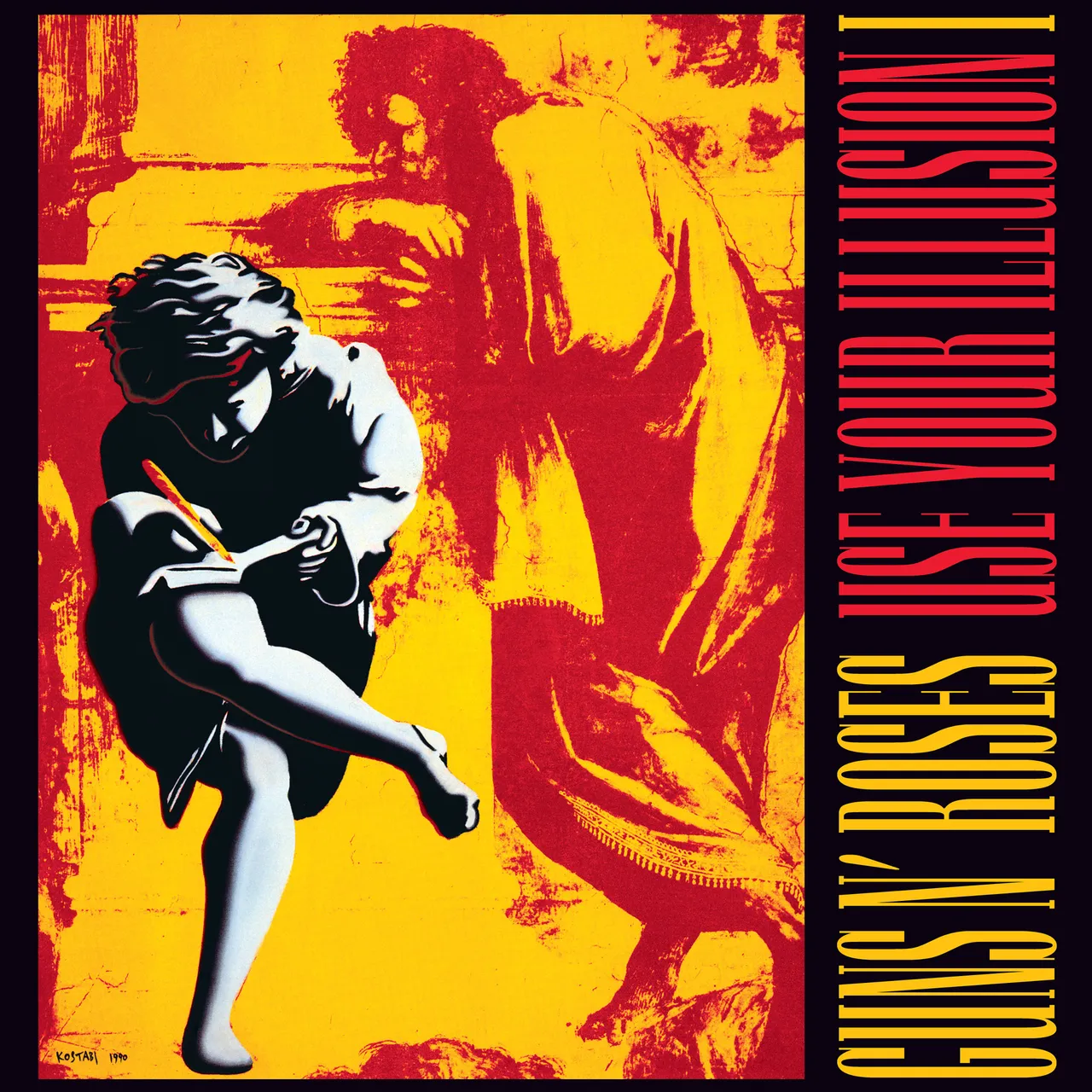
    Use Your Illusion Era (1990–1993)

    During the early 1990s, the band expanded its sound and replaced its original drummer.

    • Axl Rose – Vocals, piano
    • Slash – Lead guitar
    • Duff McKagan – Bass
    • Izzy StradlinGilby Clarke – Rhythm guitar
    • Matt Sorum – Drums
    • Dizzy Reed – Keyboards, synthesizers

    Mid-1990s to 2000s Lineup

    After most classic members departed, Axl Rose restructured the band with a new roster that would eventually record Chinese Democracy.

    Key members from this era include:

    • Robin Finck – Guitar
    • Buckethead – Guitar
    • Bumblefoot (Ron Thal) – Guitar
    • Paul Tobias – Guitar
    • Tommy Stinson – Bass
    • Brain (Bryan Mantia) – Drums
    • Josh Freese – Drums
    • Chris Pitman – Keyboards
    • Richard Fortus – Guitar
    • Frank Ferrer – Drums

    Reunion & Modern Era (2016–2024)

    In 2016, Slash and Duff McKagan rejoined the band, launching one of the most successful reunion tours in rock history.

    Core Members

    • Axl Rose – Lead vocals
    • Slash – Lead guitar
    • Duff McKagan – Bass

    Supporting Members

    • Richard Fortus – Rhythm guitar
    • Dizzy Reed – Keyboards
    • Melissa Reese – Keyboards, synthesizers, backing vocals
    • Frank Ferrer – Drums

    Current Guns N’ Roses Lineup (2025)

    The band continues to tour globally with the following members:

    • Axl Rose – Lead vocals
    • Slash – Lead guitar
    • Duff McKagan – Bass
    • Richard Fortus – Rhythm guitar
    • Dizzy Reed – Keyboards
    • Melissa Reese – Keyboards, backing vocals
    • Isaac Carpenter – Drums

    Notable Former Members

    For a complete historical overview, here are all significant past contributors:

    • Izzy Stradlin
    • Steven Adler
    • Matt Sorum
    • Gilby Clarke
    • Buckethead
    • Bumblefoot
    • Robin Finck
    • Paul Tobias
    • Chris Pitman
    • Tommy Stinson
    • Josh Freese
    • Brain (Bryan Mantia)

  • Classical Guitar for Beginners: Best Models & Buying Guide

    Beginning to learn how to play classical guitar is a very wise decision to start your musical career. With warm and expressive tones and softer nylon strings, your fingers will thank you. With wider necks, classical guitars encourage proper technique to be formed from the very first day you start learning. It can be a very overwhelming experience trying to choose your first classical guitar. There are endless options.

    Because of all the factors that come into play, this is the guide to the most worthwhile classical guitars. If you want comfort, differentiating sound, or a personal price range, this is the right guide for you. If you want confidence and a clear direction before purchasing your first classical guitar, this is the guide for you.

    Best Classical Guitars for Beginners (2025)

    Below are the most reliable, comfortable, and beginner-friendly classical guitars available today. These models are known for good build quality, easy playability, and the ability to support your progress for years — not weeks.

    1. Yamaha C40

    The Yamaha C40 has been a global beginner favorite for decades. It has a laminated spruce top, meranti back and sides, and a comfortable neck profile that suits adults and teens.
    Why it’s good for beginners:

    • Easy to play, especially for first-timers
    • Stable tuning and durable construction
    • Warm, balanced tone
      Downside: Tonally basic — you may eventually want to upgrade.

    2. Cordoba C1M

    The Cordoba C1M is part of the Protege series designed specifically for students. It features a spruce top and mahogany back/sides, paired with Cordoba’s lightweight build style.
    Why beginners love it:

    • Comfortable neck with low action
    • Softer nylon feel makes early practice easier
    • Modern, clean design
      Downside: Slightly quieter than bigger traditional models.

    3. Yamaha C70

    A step up from the C40, the C70 offers better tone, nicer detailing, and improved projection.
    Why it’s great:

    • Fuller, clearer sound
    • Strong brand reliability
    • Excellent long-term beginner instrument
      Downside: Costs more than basic beginner models.

    4. Cordoba C3M

    If you want a classical guitar you won’t outgrow quickly, the C3M is a strong option. It uses a solid cedar top, giving it warmth and resonance beyond typical beginner instruments.
    Why it’s excellent for ambitious beginners:

    • Solid cedar top adds depth and richness
    • Traditional Spanish fan bracing
    • Comfortable matte finish
      Downside: Higher price, but worth it if you’re serious.

    5. Kremona Soloist S65C

    Handcrafted in Europe, the S65C offers exceptional value for a hand-built beginner model.
    Why it stands out:

    • Solid cedar top with rich tone
    • Excellent craftsmanship
    • Smooth, low-friction neck for beginners
      Downside: Might feel like “too much guitar” if you’re unsure about the hobby.

    6. Takamine GC1

    Takamine’s student lineup includes the GC1 — a clean, well-balanced classical with a comfortable neck and impressive sustain.
    What makes it good:

    • Easy neck shape
    • Strong projection
    • Great durability
      Downside: Slightly heavier body compared to others.

    7. Ortega R121

    Ortega specializes in nylon-string instruments with modern playability. The R121 is popular for its comfortable neck and balanced tone.
    Why it’s beginner-friendly:

    • Very comfortable action
    • Warm, rounded tone
    • Different size options (full, 3/4, 1/2)
      Downside: Some players find it a bit mellow.

    How to Choose the Right Classical Guitar for Beginners

    Understanding why certain features matter will save you time, money, and frustration. Let’s break down the essentials.

    1. Nylon Strings

    Classical guitars use nylon strings, which are softer than steel. This is perfect for beginners because:

    • Less finger pain
    • More forgiving tension
    • Rounder, warmer tone
      If you’re worried about sore fingertips, nylon is your best friend.

    2. Body Size

    For adults, a full-size (4/4) classical guitar is standard.
    For teens, smaller-framed adults, or players with smaller hands, consider:

    • 3/4 size
    • 1/2 size
      A smaller guitar improves comfort and posture — and comfort leads to more consistent practice.

    3. Neck Width

    Classical guitars typically have wider necks (around 52 mm).
    This gives your fingers more room to form clean chords, which is great for beginners learning proper hand position.

    4. Tonewoods

    The wood type affects sound and responsiveness:

    • Cedar top → warm, expressive, great for fingerstyle
    • Spruce top → bright, clear, more projection
    • Mahogany back/sides → warmth, mid-range balance
    • Rosewood back/sides → rich, deep lows
      For beginners, cedar or spruce tops are ideal.

    5. Solid vs. Laminated Top

    • Solid top → better tone, ages well, more expensive
    • Laminated top → durable, cheaper, perfectly fine for early learning
      If budget allows, go for a solid-top model like the Cordoba C3M.

    6. Playability / Setup

    A guitar must feel easy to play. That means:

    • Low action (not too high string height)
    • Comfortable neck shape
    • Smooth fret edges
      Many brands ship with good beginner setups, but a quick professional adjustment can make the instrument feel significantly better.

    7. Budget

    Good beginner classical guitars usually cost:

    • Entry level: $100–$200
    • Mid-level beginner: $200–$350
    • High-quality beginner: $350–$600
      You don’t need to overspend, but you also don’t want a guitar that fights you.

    FAQ: Classical Guitars for Beginners

    Is a classical guitar easier to learn on?

    For many people — yes. Softer nylon strings and forgiving tension help beginners play longer without hand pain.

    Can I play modern songs on a classical guitar?

    Absolutely. While some genres (pop, folk, flamenco, bossa nova, classical) sound especially good on nylon, you can play almost any song on it.

    Is a classical guitar good for kids?

    Yes, especially with 1/2 or 3/4-size models. Nylon strings are safer and more comfortable for young players.

    How often should I change the strings?

    Every 2–3 months if you practice regularly. Nylon strings last longer than steel, but lose brightness over time.

    Do classical guitars need special maintenance?

    Basic maintenance includes:

    • Keeping the guitar in stable humidity
    • Wiping down strings
    • Using a soft case or gig bag
    • Changing strings when needed

    Can I transition from classical to acoustic or electric later?

    Yes — classical technique transfers beautifully. Many great players start with nylon.

  • 12 String Guitar For Sale: Best Deals & Buying Guide

    If you are considering purchasing a 12-string guitar, you”ve come to the correct place. I understand how overwhelming, it can be. There’s a wide variety, including 12-string. There’s a great deal more than just the variety of brands. Then, we come to the acoustic vs electric. Then, price points can be anywhere from a good deal to, whoa, that’s my entire wallet. In the following, I will help you gain the best first guitar, 12-string deal (with affiliate links), walking you through all the stuff you need to consider.

    Best 12-String Guitars 2025

    • Takamine GJ72CE 12‑String: A pro-level instrument with quality build, electric pickup system (CE), cutaway body. Great for adult players who intend to perform or record. Pros: top-tier tone, built to last. Cons: higher price; may be overkill if you just want casual strumming.
    • Fender Villager 12‑String: Mid-budget 12-string from a trusted brand. If you want the 12-string sound without emptying your bank account, this is a solid pick. Pros: good value, reliable. Cons: maybe less exotic tone woods or features than higher end models.
    • Ibanez AAD1012E 12‑String: Value acoustic-electric 12-string with decent performance and features. Good for adult players who want flexibility (plugging in) but moderate budget. Pros: versatile. Cons: may require setup to optimise (as many 12-strings do).
    • Ibanez PF1512ECE 12‑String: Slightly higher budget but still accessible; acoustic-electric version with nicer finish. Good for committed amateurs. Pros: better tone, nicer build. Cons: more expensive than bare minimum.
    • J & D D‑110‑12 12‑String: An ultra-budget option. Good if you’re experimenting with 12-string and want to test if you’ll stick with it. Pros: low cost. Cons: build/tone might not match premium models; you may upgrade later.
    • Ovation Celebrity Elite CE4412‑5‑G 12‑String: Premium electric/acoustic 12-string with distinctive design, built for serious players. Pros: elite features, stage-ready. Cons: expensive; maybe more than many beginners need.
    • Guild F‑1512 12‑String: High-end 12-string, collector grade. Ideal for players who treat their instrument as an investment. Pros: exceptional tone, craftsmanship. Cons: top tier budget required.

    How to Choose the Right 12-String Guitar

    Selecting a 12-string guitar is more complex than a six-string. Here are the key factors you should evaluate:

    Body type & size

    12-string guitars typically have wider necks and larger bodies to accommodate the extra strings and maintain balance. A large body can create great acoustic volume, but if you’re smaller in stature or play seated a lot, the size may feel bulky. Try holding both six- and twelve-string bodies side by side if you can — comfort matters a lot.

    Neck width & string spacing

    Because a 12-string has six courses (pairs) of strings, the neck is often wider. That means fretting chords may require more finger-stretch, especially for smaller hands. Also, action (string height) and setup become even more important: if the strings are too high, it’s a painful experience. As Wikipedia explains: “The neck is wider, to accommodate the extra strings.”

    Sound / tonewood / bracing

    One of the biggest benefits of a 12-string is its shimmering, rich tone thanks to the paired strings (often the lower four pairs tuned in octave, the upper two in unison). The materials matter: a solid spruce or cedar top will generally give better tone than a cheap laminate. Bracing needs to be robust because the string tension is higher. You want good tone but also stability.

    Electric vs purely acoustic

    If you intend to plug in, record, or perform live, an acoustic-electric variant is smart. Many of the models above include preamps, pickups, cutaways. If you’ll only play at home, purely acoustic may suffice, and could save money.

    Price & budget mindset

    Because 12-string guitars have extra string sets and often stronger build requirements, they often cost more than similar six-string models. Set a realistic budget: if it’s too low, you might get something that fights you. As one Reddit commenter said (though about six-strings, the sentiment applies):

    “Don’t go too cheap… a guitar that feels and sounds good will help keep you interested in playing and improving.”
    Hence tuning your expectations vs budget is key.

    Brand reputation & build quality

    High string tension and complexity demand quality materials, hardware (tuners, bridge, nut) and good setup. Brands with proven track-record make a difference. Ensure you read reviews, check build quality, check that it stays in tune (a known issue with some 12-strings).

    Setup & maintenance

    A 12-string will often benefit from a professional setup (action, intonation, nut slot sizing) because if it’s badly set up, playing will discourage you. By choosing a higher-quality model (or ensuring setup), you reduce friction (literally and figuratively) in your playing journey.

    Practical considerations (gigging, storage)

    If you’ll transport the guitar often, consider weight & case. 12-strings may weigh more. Also, string replacement more expensive (12 strings = double). Storage in stable humidity/temperature important because extra tension can warp necks or bodies more easily than six-strings.

    FAQs & Tips for 12-String Guitars

    Here are some frequently asked questions around 12-strings — many beginners ask them, so you’ll want to know.

    1. What is a 12-string guitar and how does it differ from a 6-string?
      A 12-string guitar has six courses of two strings each (12 total). The lower four courses are often tuned in octave pairs, and the upper two in unison. This gives a much richer, chorused, shimmering tone.
      The play-feel is similar (same chords etc) but because you hit two strings at once, it’s wider, louder, and sometimes more demanding.
    2. Is a 12-string harder to play than a 6-string?
      It can be. Because there are double strings, finger pressure needs to be slightly higher, the neck is wider, and chords may require more stretch. If you’re used to six-string, it might feel heavier. But if you’re comfortable and can stretch your hands, it’s absolutely doable.
      If you’re a beginner, you might start on a six-string to build confidence, then move to a 12-string when you’re ready for the flavour.
    3. How much should I spend on a 12-string guitar?
      For a decent 12-string that won’t frustrate you, expect to spend more than a basic six-string. Depending on brand / features, mid-budget options may run ~€300-€600 (or equivalent USD). Entry budget options exist (<€200) but may require trade-offs. Premium models can exceed €1000.
      Invest so you play more and avoid gear-regret.
    4. Are acoustic-electric 12-strings worth it?
      If you plan to plug into a PA, record, perform live or loop/track, yes — the built-in pickup/preamp is extremely useful. If your playing will stay purely acoustic at home, you might skip the extra cost and keep it simpler.
    5. How often do I need to change strings on a 12-string?
      Not necessarily more often than six-string, but since there are 12 strings and double tension, they may fatigue slightly quicker. Change them when you notice dull tone, intonation issues, or you start losing brightness. Also, tuning stability is more critical.
    6. Does the stronger tension on a 12-string damage the guitar more?
      If the guitar is well-built, balanced and has proper bracing, no. But cheaper models may suffer neck warp, body bulge or tuning instability. That’s why build quality and setup matter significantly for 12-strings.
    7. What body size is best for a 12-string?
      It depends on you. If you like big, full sound and stand/strum, a dreadnought is fine. If you’re smaller framed or play seated a lot, you might prefer a smaller body or cutaway model. Bigger bodies increase volume but also size/weight.
    8. Can I play a 12-string like a 6-string?
      Yes, same chords, same techniques. But you get a richer sound. Some players even remove one string from each pair to convert to “semi-12” for easier play. But generally you play both strings. The neck width and feel may require adjustment.
    9. Should I buy used or new?
      Used can be fine, but for 12-strings you want to check neck straightness, body integrity, fret wear, and that it holds tuning. A new instrument gives a fresh setup and less risk. If used, budget for inspection/setup.
    10. What about tuning stability / maintenance?
      Because of increased tension, good quality tuners and a solid nut are more important. Consider using fresh strings, quality gear, and a good hard case for transport. Also keep in stable humidity to protect the guitar.
    11. Is a 12-string suitable for beginners?
      Yes — if you’re ready and committed and comfortable with slightly more challenge. Many beginners start on six-strings because they’re easier and cheaper, then upgrade. But if you love the unique sound of a 12-string and are willing to invest the time, go for it.
    12. What extra accessories should I consider for a 12-string?
      • Good gig bag or hard case (to protect the extra tension instrument)
      • Quality strings (12-string sets are more expensive)
      • Tuner (preferably clip/clip-on)
      • Possibly a light humidifier if you live in dry climate
      • Possibly a strap suitable for weight, and stand.
  • Best Beginner Acoustic Guitar for Adults (Comfort Picks)

    As an adult starting on an acoustic guitar, the excitement is undeniable, but it can also be quite intimidating for some, and I totally get that. Most first-time guitar performers often wonder, “Hmm, this could be fun, but I don’t want to buy a guitar that’ll be a total waste of money and only end up driving me to frustration.” This is understandable, and I totally get that because it is not just a guitar you are looking to get; it is one that is right for you, one that is well built to support you; one that is sounding good and is comfortable to play. So, let’s get right to it and see the most suitable models and the best options for you.

    Best Beginner Acoustic Guitars

    Here are five great acoustic guitars tailored for adult beginners (comfort-focused), each with who it’s good for, pros & cons, and direct link.

    • Yamaha FG800 – One of the most-recommended beginner acoustics with a solid spruce top, Nato back & sides, and rosewood fingerboard.
      • Ideal for the adult beginner who values long-term quality and wants something that won’t feel like a toy.
      • Pros: Excellent build, solid top (which gives better tone), strong brand reputation.
      • Cons: A dreadnought body may feel large for smaller framed adults or when playing seated.
      • If you want a guitar that you won’t outgrow fast — this one nails it.
    • Fender CD‑60S – By Fender, this acoustic offers a solid spruce top, mahogany back and sides, and a neck profile that beginner players often find comfortable.
      • Good for adult beginners who want brand support and a reliable “first serious guitar”.
      • Pros: Good tone, decent build, accessible price, easier neck.
      • Cons: Still a full-sized dreadnought — may feel bulky when playing for long sessions seated.
      • Solid budget pick with serious potential.
    • Fender CD‑60SCE – A variation of the above with a cutaway (CE = cutaway + electronics) so you can plug in if you later decide to play live or record.
      • Best for adult beginners who think they might eventually perform or need amplification.
      • Pros: Flexibility to plug in, cutaway helps upper frets, still beginner-friendly.
      • Cons: Slightly higher cost; if you never plug in, the extra features may be “overkill”.
      • If you’re serious from day one and want “grow-room” in your guitar — go here.
    • Takamine GD11M‑NS – (Example model: Takamine GD11M­NS) Solid cedar top, mahogany back & sides, satin finish. A little step up in tone and finish.
      • Ideal for the adult beginner who doesn’t want to upgrade in a year or two — wants a guitar that serves long-term.
      • Pros: Richer tone woods, better finish, durable build.
      • Cons: A bit more expensive, maybe more guitar than some needs just for starting out.
      • If budget allows and you already have some confidence in sticking with it — definitely a “buy once, keep a long time” option.
    • Epiphone Songmaker DR‑100 – Entry-level but well known for decent playability and value.
      • Great for adult beginners who want to try things out without spending big.
      • Pros: Affordable, playable, good value.
      • Cons: Sound and build won’t match some higher models; may be something you upgrade from later.
      • If you’re unsure about commitment yet but still want respectable gear — this is solid.

    How to Choose the Right Beginner Acoustic Guitar

    Now let’s dig into what matters when you pick your guitar. Understanding these will help you make a well-informed decision rather than grabbing a random bargain.

    1. Type (acoustic, electric, bass)

    For your goal — adult beginner acoustic — you’re focusing on acoustic guitars (steel‐string typically). That means: no amp required, you plug in later if needed. Just make sure what you pick is acoustic and fits your style. While an electric or bass are cool too, for sheer simplicity and ease, an acoustic is often best.
    Also: if you’ve played electric before, you’ll notice acoustic has higher string tension, larger body, different feel. So pick something comfortable you’ll want to pick up.

    2. Sound / tonewood

    Tonewoods matter more than many beginners think. A solid top (spruce or cedar) will age and resonate better than laminated tops. For example, Yamaha FG800 features a solid sitka spruce top.
    Also check back & sides wood: mahogany, nato, rosewood all affect tone. If you get a guitar with cheap laminated body it may sound “thin” and frustrate you. Choose a guitar with tone and vibe you like — try hearing it if you can.

    3. Price range

    Don’t go ultra-cheap just because budget is tight (you’ll likely regret it). But also don’t think you must spend thousands. You want value. Many of the models above are in the “sweet spot” for beginners.
    Remember: The aim is to play consistently, not buy something fancy and then shelve it because it’s too intimidating. Value + comfort > ultra-premium for your first adult acoustic.

    4. Brand reputation

    Brands like Yamaha, Fender, Takamine, Epiphone have history and support. That means better build quality, better setup, fewer surprises.
    When you’re starting out you want the guitar to work and feel good — not need constant repairs or adjustments that make you give up. Brand counts.

    5. Comfort / size

    For adult beginners especially, comfort is key. If you feel weird holding the guitar, if the body presses too hard on your leg or it’s awkward to reach the frets, you’ll play less.

    • Body size: dreadnoughts give full sound but can be bulky. Consider smaller cutaway/body shapes if size matters.
    • Neck profile: shallower, narrower necks are easier for smaller hands or if you’re coming from none.
    • String action: lower action helps if you don’t have strong fingers yet.
    • Checking this ahead of buy helps ensure you’ll actually pick it up rather than avoid it.

    Tips for Beginners or FAQs

    1. Is acoustic guitar easier than electric?
      Not automatically. Acoustic has higher string tension and can be harder on fingers early on. But it’s simpler (no amp, fewer cables) and you’ll build finger strength quickly.
      What matters: choose one you’ll play — ease of access matters more than “type”.
    2. How much should I spend on my first guitar?
      Aim for a “sweet spot” — not the $50 ultra-cheap, not the $2000 pro model. Many good beginner adult acoustics sit in the ~$200-$500 range. That gives you quality without breaking your budget.
    3. Are Yamaha guitars good for beginners?
      Yes — the Yamaha FG series is often cited as one of the greatest beginner acoustics of all time thanks to its quality build and sound for price.
      So if you see one and it fits you — you’re making a wise pick.
    4. Should I worry about solid wood vs laminated wood?
      Yes and no. Solid wood (top) is better for tone and longevity; laminated bodies cost less and may be more stable in varying climates. For a beginner adult who wants sound AND value, go for solid top if you can. The laminated may be “good enough” for just playing casually.
    5. Is the guitar size/shape important?
      Very important. If the guitar is too big, you’ll slouch, hold it awkwardly, avoid it. Try it if you can. Consider your height, the way you’ll play (sitting or standing) and comfort first.
    6. Do I need a cutaway or built-in electronics?
      If you think you might plug in or play higher frets, yes — a cutaway or acoustic-electric variant is useful (like the Fender CD-60SCE). If you’re just starting and playing at home, you might skip that extra cost until later.
    7. What strings should I use when starting?
      Medium gauge (e.g., .011 or .010) are common. But easier string gauges help if you have weak fingers. Also make sure the action is not too high (string height) because that makes playing painful.
      One user note: For the FG800 many beginners didn’t need setup right away.
    8. How do I know the neck is comfortable?
      When you hold the guitar, your fretting hand should feel natural reaching chords. The neck width at the nut (top) matters — narrower is easier. Also “rounded fingerboard edges” (as mentioned in the CD-60S spec) reduce friction.
    9. Do I need to upgrade later?
      Possibly — but if you pick one of these solid beginner-adult guitars, you may not need to “upgrade” for a long time. Choose one with “grow-room”. If you pick something too basic you may feel the urge to upgrade quickly.
    10. Should I factor brand + reviews?
      Yes — check what other adult beginners say. A good review from someone your size/experience is gold. Also brand warranty/support helps if something goes wrong.
    11. What if I’m short or smaller framed?
      Then comfort becomes even more important: try smaller bodies (concert, grand auditorium) or ensure the dreadnought is manageable. Consider playing seated, or with a strap if standing.
    12. How long until I “get good”?
      That depends on you. But having a guitar you’re comfortable with helps you practice more. The more you play, the faster you progress. Don’t let the gear be the barrier.
    13. Should I buy used or new?
      For a first adult acoustic, new has advantages: guaranteed condition, warranty, etc. A used guitar might be cheaper but might need setup, repair, unknown history. If budget allows, new is safer.
  • What to Consider When Buying an Acoustic-Electric Guitar for Beginners

    Choosing an acoustic-electric is a little different from a pure acoustic. Because you’re also planning to plug-in, amplified playability becomes part of the equation. Here are the key criteria:

    Playability & Comfort

    For a beginner, the guitar needs to feel good. That means good neck profile, manageable string action, comfortable body size. If you struggle with chord shapes or your fingers hurt every time you pick it up, you’ll stop. Many beginner guides emphasise ease of play as far more important than minor tone differences.

    Build & Sound (Unplugged)

    Even though you might plug it in, the guitar should still sound decent acoustically. A good top (solid or decent laminate), stable build and decent finish matter. You want the unplugged tone to motivate you. One guide says: “Start playing today with beginner acoustics… hand-picked by experts.”

    Electronics & Plug-In Quality

    Since it’s an acoustic-electric, the onboard preamp/pickup matters. Does it give you a decent sound when plugged in? Does it have an EQ/volume tuner? Beginners often ignore this and end up with a guitar that sounds great acoustically but awful when amplified. One buying guide specifically explores acoustic-electrics.

    Body Size / Cutaway / Versatility

    If the guitar has a cutaway (for reaching upper frets), or a smaller body, those can help if you’re seated, have smaller hands or want comfort. For beginners this sometimes means you’ll pick up the guitar more, which is good.

    Value & Growth-Potential

    You want a guitar that doesn’t bottleneck your progress. So it should be good enough to grow into rather than “good enough just for now”. One guide supports choosing a guitar with resale value or upgrade capability.

    Top Acoustic-Electric Guitars for Beginners (2025 Picks)

    • Yamaha APX 600: Comfortable thin body, great for beginners who want to plug in occasionally. Yamaha build quality, good electronics.
      Pros: reliable brand, good build, versatile.
      Cons: Slightly higher budget for a beginner.
    • Yamaha APXT2: Compact size, excellent for smaller players or if you want something travel-friendly. Still acoustic-electric.
      Pros: compact, good plug-in features.
      Cons: Smaller body = less acoustic volume if you play unplugged.
    • Fender CD‑60SCE: Great value, trusted brand, acoustic-electric cutaway model. Good all-rounder for first years of playing.
      Pros: budget-friendly, credible brand.
      Cons: Might have more laminate components compared to higher-end models.
    • Fender FA‑125CE: Entry-level acoustic-electric, excellent for beginners who want plug-in capability without spending a lot.
      Pros: very affordable, enough for basic playing and plugging.
      Cons: Build and tone won’t match premium models; you might upgrade sooner.
    • Epiphone Hummingbird Studio: A slightly higher tier beginner instrument, with more premium features and tone. Good if you have a bit more budget and aim to keep the guitar long-term.
      Pros: upgrade potential, better woods, nicer finish.
      Cons: More money; overkill for someone just starting and unsure if they’ll stick.
    • Epiphone J‑45 EC Studio: Another upgrade beginner pick — decent acoustic-electric with solid tone and build.
      Pros: Very good tone, trusted brand.
      Cons: Larger investment; less necessary if you just want to begin.
    • Harley Benton D‑120CE NT Bundle: Ultra-budget bundle with accessories included. Great if you’re budget conscious and need everything.
      Pros: lowest cost barrier, bundle features.
      Cons: Quality may be less, electronics may be basic; might require setup.
    • Student Elektroakustikgitarre von Gear4music: Super budget starter. Useful if you’re just testing commitment.
      Pros: extremely affordable.
      Cons: Very basic; may need upgrades sooner.

    Recommendation

    If I were advising you (and I have helped many beginners pick guitars), here’s what I’d say:

    • If your budget is very tight, go with something like the Fender FA-125CE or the Harley Benton bundle. Get playing, build skill.
    • If you have moderate budget and want a “serious first instrument” you’ll keep: go for Yamaha APX 600 or Fender CD-60SCE.
    • If you want to invest and treat this as you will keep playing for years: go for Epiphone Hummingbird Studio or J-45 EC Studio.
    • Whichever you pick — make sure you also budget for a strap, tuner, maybe a case/stand, and good strings. The guitar alone is half the setup.
  • What to Consider When Buying a Guitar Amp

    A great amp is more than just “loud” — especially when you’re starting out. The right amp means you’ll enjoy playing more, get better tone at home, and avoid frustration. Here are key factors to look at.

    • Your style / genre – What kind of music do you play? Clean tones (jazz/pop) need different features than crunchy metal or rock. One guide says: “The type of music you play will likely influence your choice.”
    • Wattage & volume – Many beginners think high wattage = better. But for home use you don’t need a beast. For example: “For home practice, a small amp with up to 20 watts will usually suffice.” Also, bigger watts often mean louder than you need and may cost more than it’s worth.
    • Amp type (solid-state, tube, modelling) – Tube amps have the classic tone but cost more and can be heavier & higher maintenance. Modelling amps (digital) offer tons of tones & built-in effects which is great for beginners.
    • Effects & features – Do you want built-in reverb, delay, Bluetooth, headphone out for silent practice? The more features, the more versatility but also potentially more complexity. One guide emphasises: “Great tone at low volume,” and “easy controls” as priorities for beginners.
    • Portability & size – If you’re playing at home or in a small room, you want something manageable in size and weight. The “Beginner’s Guide” suggests smaller combo amps for the practice space.
    • Future use / upgrade potential – You want an amp that you won’t immediately outgrow. So consider one that allows you to grow (more watts, more features) without spending a ton now.
    • Budget & value – Don’t overspend early. A good starter amp at a reasonable price is more valuable than a half-used expensive amp you end up never using.

    Top Guitar Amps for Beginners & Best Deals

    • Boss Katana‑50 Gen 3: A superb all-rounder. 50 watts gives serious volume, tons of amp voices and built-in effects. Great if you want an amp that can grow with you.
    • Fender Mustang LT25: A modelling amp (25 watts) with many presets and features for beginners who want versatility and digital features.
    • Yamaha THR5: Compact, stylish, great for home recording and practice. Especially good if you’ll also record or play quietly.
    • Fender Champion 25 II: Budget friendly, solid brand, good for clean rock/pop at a reasonable price.
    • Marshall MG15GR: 15 watts, good brand for rock/metal tones. Slight step up but still beginner-accessible.
    • Positive Grid Spark MINI: Desktop modelling amp, extremely good for small spaces, practice sessions, and exploring tones without blasting.
    • Fender Frontman 10G: Very entry-level. 10 watts is perfect for home use. Simple, effective, affordable.
    • Positive Grid Spark GO: Ultra-portable, battery powered – great if you want to move around, practice on the go, or have limited space.

    How to Choose Among These (Which One for YOU)

    To pick which amp fits you, think about your current situation and where you’re headed:

    • If you’re practicing at home only: Go smaller wattage, modelling or compact (Spark MINI, THR5, Frontman 10G).
    • If you want an amp for home + occasional jam with friends: Choose something with a little more power and flexibility (Katana 50, Champion 25 II).
    • If you play heavier rock/metal: Look for amps that handle distortion well and give big tone at moderate volume (MG15GR or Katana 50).
    • If you’ll record or use headphones a lot: Modelling and compact amps (Yamaha THR5, Spark series) give great tone and features for that.
    • If you’re on a tight budget: Prioritize value and brand reliability — the Frontman 10G or Budget modelling amps give a strong start without spending much.
    • If you have limited space or need portability: Weight, size, footprint matter. Desktop or battery-powered amps are worth considering.
  • Easy Chords for Guitar

    If you’re learning guitar, the biggest breakthrough you’ll experience isn’t when you memorize the fretboard or learn fancy techniques — it’s when a few simple chords suddenly click under your fingers. That’s the moment guitar stops feeling like a foreign object and starts feeling like a musical instrument you can actually control.

    And here’s the secret:
    You don’t need 20 chords.
    You don’t need 10.
    You barely need 7, and with just 3–4 of them, you can already play hundreds of songs.

    These are the chords every beginner should start with — the ones that sound good immediately, feel comfortable to play, and appear in almost every easy song ever written.

    Let’s break them down, explain why they matter, and show how they unlock real music fast.

    The Must-Know Easy Chords (That Form the Beginner Foundation)

    Rather than dumping a huge list, let me introduce the chords the way real players learn them — through how they feel and how they work together.

    G Major

    The king of beginner chords. Beautiful, bright, and used in everything. It’s the first chord that makes you feel like you’re actually playing guitar.

    C Major

    Looks intimidating at first glance, but don’t worry — it’s all small movements. Once you get this one clean, everything opens up. C and G together form the backbone of thousands of songs.

    D Major

    Compact shape, tight sound, works in pop, folk, rock, worship — you name it. G → D is one of the most important transitions you’ll ever learn.

    E Minor (Em)

    The easiest chord in the universe. Two fingers. Sounds beautiful. And it pairs perfectly with G, C, and D. It’s almost unfair how useful it is.

    A Minor (Am)

    Your first “emotional” chord. Doesn’t hurt your fingers, very beginner-friendly, and crucial for so many iconic songs.

    A Major

    A tight cluster of three fingers that builds your coordination and unlocks tons of classic rock rhythms. Pair it with D and E and you get instant music.

    E Major

    Loud, full, strong. This chord makes the guitar vibrate against your chest — addictive feeling, honestly.

    These seven chords are enough to play 90% of beginner-level acoustic and pop songs. And learning them creates real momentum because almost every new song you try will feel “familiar.”

    Why These Are the Easiest Chords

    It’s not just that they’re common — they’re also physically comfortable:

    • Most use open strings, which ring beautifully.
    • They require simple hand shapes, nothing extreme.
    • The transitions between them follow natural patterns.
    • They build finger strength gradually, not painfully.
    • You can strum slowly and still sound musical.

    That combination is gold for beginners.

    What You Can Play With Just a Few of These Chords

    Here’s where your motivation spikes.
    Take G – C – D. That trio alone unlocks classics, campfire songs, pop tracks, worship songs, and indie hits. Add Em to the mix, and you suddenly have access to modern acoustic pop.

    Want sad songs? Combine Am – C – G – F (don’t worry, you can leave F for later — the rest already work).
    Want upbeat pop? Use C – G – Am – F (the famous “Four Chords” progression).
    Want rock? Use A – D – E.

    The point is:
    One small group of chords leads to a massive number of real, playable songs.

    How to Learn These Chords Without Feeling Overwhelmed

    Most beginners struggle not because the chords are hard, but because they try to learn too many at once. The trick is to focus on sets, not individual shapes.

    Here’s the smart approach:

    1. Start with G – Em – C – D

    These four belong together. When you practise them as a group, every song built on them becomes easier.

    2. Practise switching more than strumming

    Your right hand can strum later.
    Your left hand needs the reps now.
    Strum once, switch shapes immediately, repeat slowly.

    3. Keep your wrist relaxed

    A tense wrist kills every chord. Shake your hand out often.

    4. Don’t force speed

    Speed is a side effect of accuracy.
    Clean comes first. Fast comes later.

    5. Let each chord ring

    One of the fastest ways to “level up” is simply lifting pressure until every note rings cleanly. It trains your hands better than speeding ahead.

    The First Chords You Should Learn in Order

    If you want a roadmap instead of chaos, here’s the progression that helps beginners the most:

    1. Em — two fingers, immediate win
    2. G — classic beginner chord
    3. C — teaches control
    4. D — finishes the “super set”
    5. Am — first minor shape
    6. A — teaches tight finger placement
    7. E — full, powerful, satisfying

    By the time you reach chord seven, you’re ready to play dozens of songs cleanly and confidently.