Where Rock History Became Physical
Rock music is treated as some kind of abstraction – sounds, vibes, mythology, etc.
But the genre is simply the result of the work of real people, in real places, under very real reasoning.
Some of those ‘real places’ became more than just geographical correlatives. They became historic anchors of the genre.
These aren’t just random fan addresses.
These are rock landmarks. These are the studios, the venues, the institutions, the symbols that shaped the very culture and identity of rock music.
1. Rock & Roll Hall of Fame — Cleveland, USA
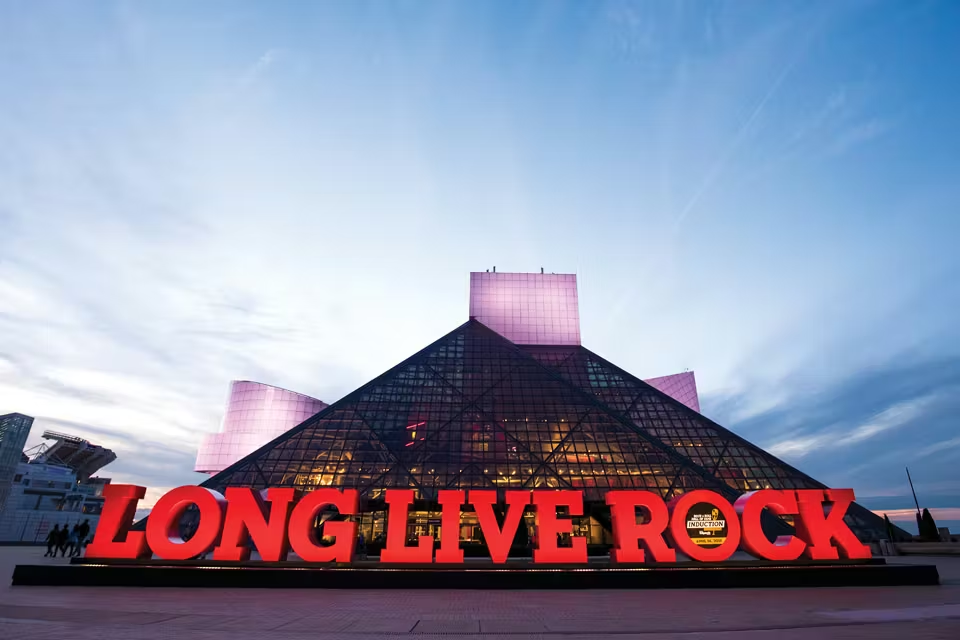
Address: 1100 Rock and Roll Blvd, Cleveland, OH, USA
The Rock & Roll Hall of Fame is an excellent example of rock music’s memory.
It does not celebrate popularity, but rather influence. Some artists, who have not cared about institutions, come here because history requires a context. The Hall explains the connections between the various genres of rock music; blues, early rock, punk, metal, alternative, and grunge, and After all, rock music did not develop in a vacuum.
The hall doesn’t feel like a shrine to rock & roll, but rather an excavation site. The rock & roll rebellion is all there, and it has not been mxed down to the safe commercial rebellion.
2.Abbey Road Studios & Crosswalk — London, UK
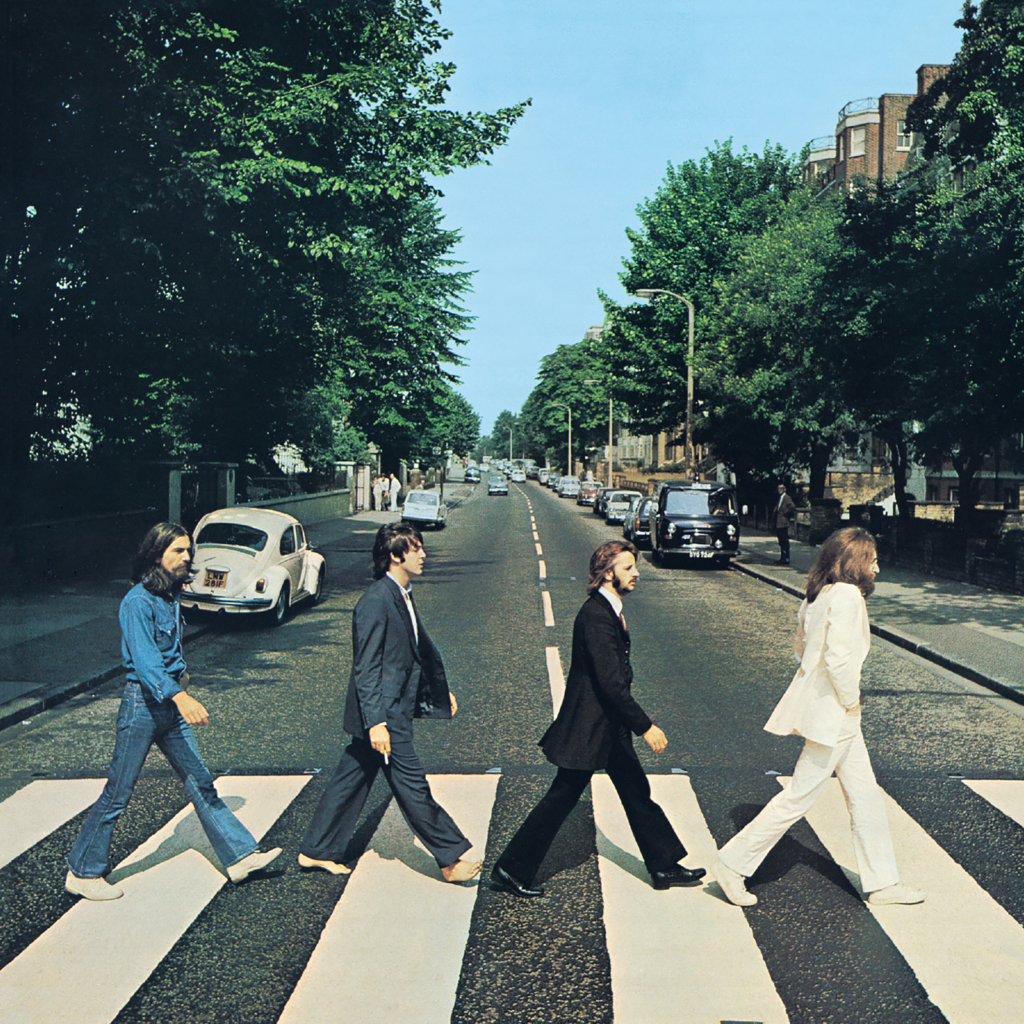
Address: 3 Abbey Road, London NW8 9AY, UK
Abbey Road is the moment that rock music became rock art.
In these walls, the act of recording became an act of construction, rather than just a documentation. Whole albums became shaped, layered, and crafted. The studio’s influence is far more extensive than that of The Beatles; it changed how musicians conceived of sound.
While the crosswalk is iconic, the real importance is the studio’s influence on the definition of a “classic record.”
Abbey Road is not a museum.
It’s still working, and that continuity is part of its power.
3.CBGB (Historic Site) — New York City, USA
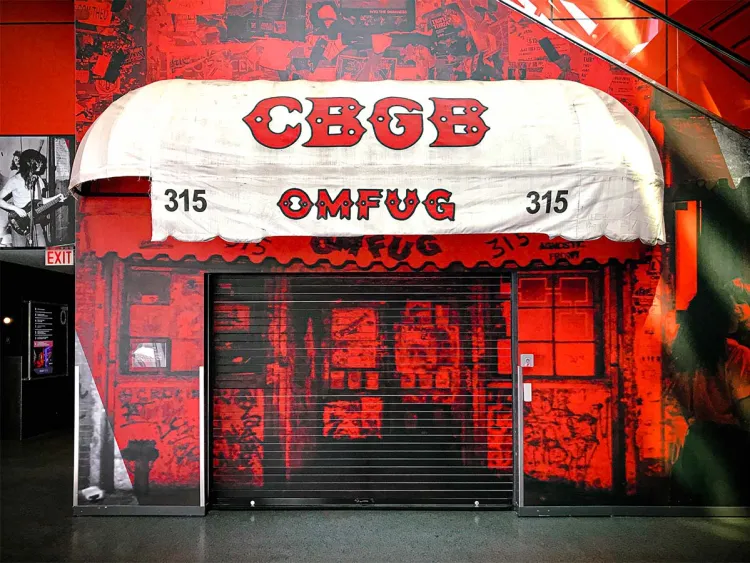
Address: 315 Bowery, New York, NY, USA
CBGB was never intended to be famous.
The venue was tiny and uncomfortable. It often felt hostile. That environment allowed artists to build everything to the core of their intent. Punk and alternative rock did not come from here because the venue was great. It came from the place that was unforgiving.
The Ramones, Patti Smith, Talking Heads and Blondie did not come here to refine their craft. They came here to discover it.
The club does not exist anymore, but the address is a cultural marker that proves that legacy does not need to be born in comfort.
4. Sun Studio — Memphis, USA
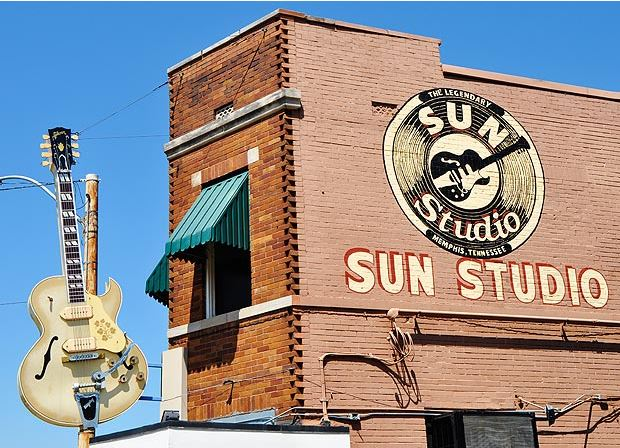
Address: 706 Union Ave, Memphis, TN, USA
The birthplace of rock music canon Sunset Studios is where rock music started being rock music.
They didn’t have names for genres when Johnny Cash, Elvis Preseley, and Jerry Lee Lewis recorded here, but they didn’t need them.
They recorded with a sense of urgency. Not with a vision, but with a manifesto.
The equipment is old. The room is old.
Those ‘limitations’ defined rock music.
Sun Studios is the origin of rock music, not as rebellion but as necessity.
5. Graceland — Memphis, USA
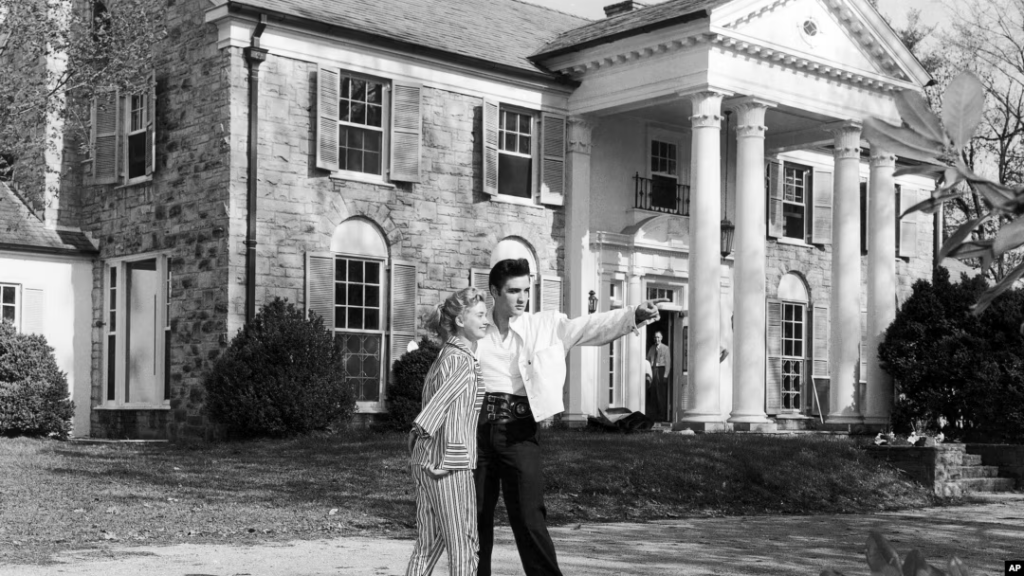
Address: 3764 Elvis Presley Blvd, Memphis, TN, USA
Graceland marks the start of the worldwide phenomenon of rock music.
The museum is much more than just Elvis’s former home. It is the final resting place of the kitchy underground rock aesthetic that shaped Elvis and rock and roll.
Many cultural landmarks are neglected. Unlike most homes, Graceland is preserved, and the home’s scale reflects Elvis’s global impact.
The complex feeling of nostalgia is present in the building.
6. Electric Lady Studios — New York City, USA
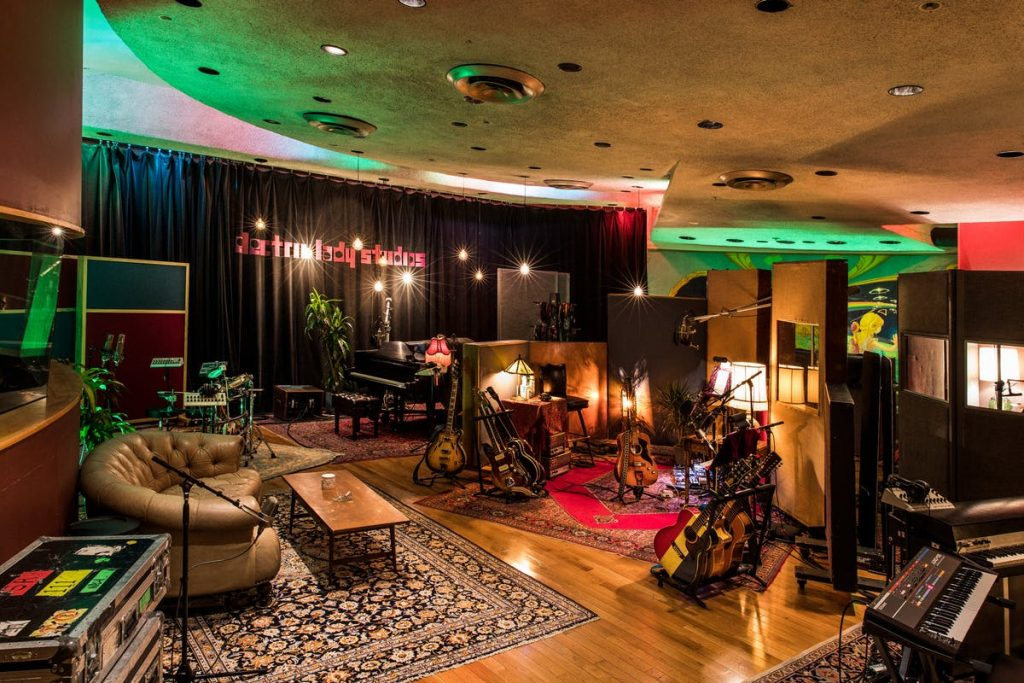
Address: 52 W 8th St, New York, NY, USA
Electric Lady Studios represents the spirit of artistic freedom.
Famed musician Jimi Hendrix built the studio and designed it to stay away from the standard, one-size-fits-all approach to studio design. Instead, it encouraged comfort, experimentation, and control.
Even today, that spirit defines the studio. Artists focus here, not because they are chasing trends, but because they care about the process.
Electric Lady reminds us that the surrounding environments are just as important as the talent in shaping the sound.
7.Whisky a Go Go — Los Angeles, USA
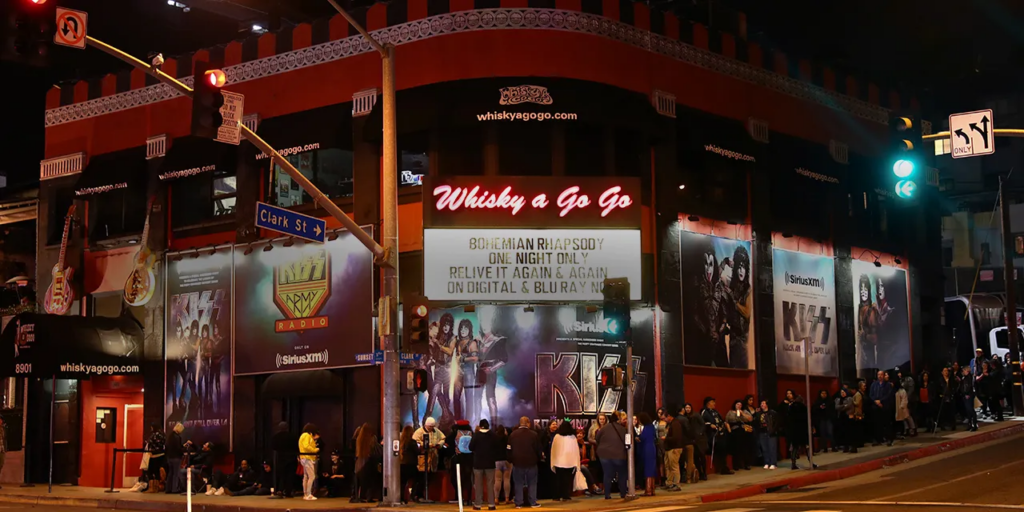
Address: 8901 Sunset Blvd, West Hollywood, CA, USA
Forget about calling The Whisky a Go Go a museum.
It’s for proving yourself.
Over the years, a long list of bands have had to prove themselves rather than be celebrated. The stage is the test. You have to be in the moment, have stamina, and be the real deal. The Whisky is not for the clean. It’s for the convincing.
The Whisky helped shape the Sunset Strip era and is one of the last living venues in rock and roll history.
8.The Viper Room — Los Angeles, USA
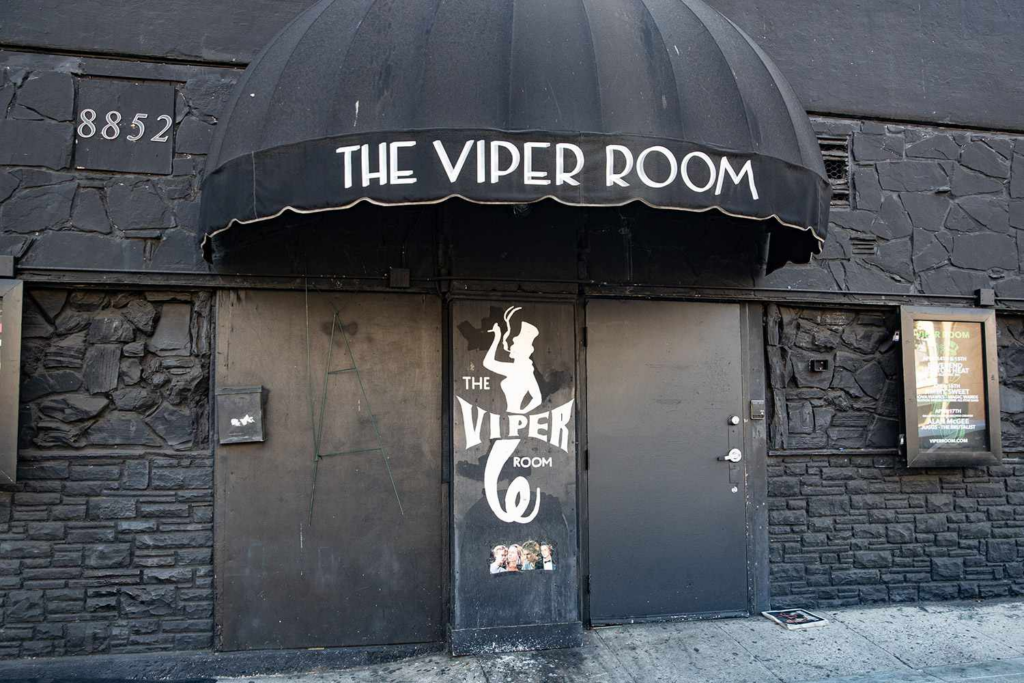
Address: 8852 Sunset Blvd, West Hollywood, CA, USA
The Viper Room is a piece of rock history hidden in plain sight. The Viper Room exemplifies the rock mythologies entwined with dark truths. The Viper Room symbolized the 1990s with its excess, vulnerability, pressure, and collapse. The winding alleys of Viper Room’s history give insight into the ingredients fame demands. The uncomfortable legacy of Viper Room deserves every ounce of space in rock history.
9. Strawberry Fields — New York City, USA
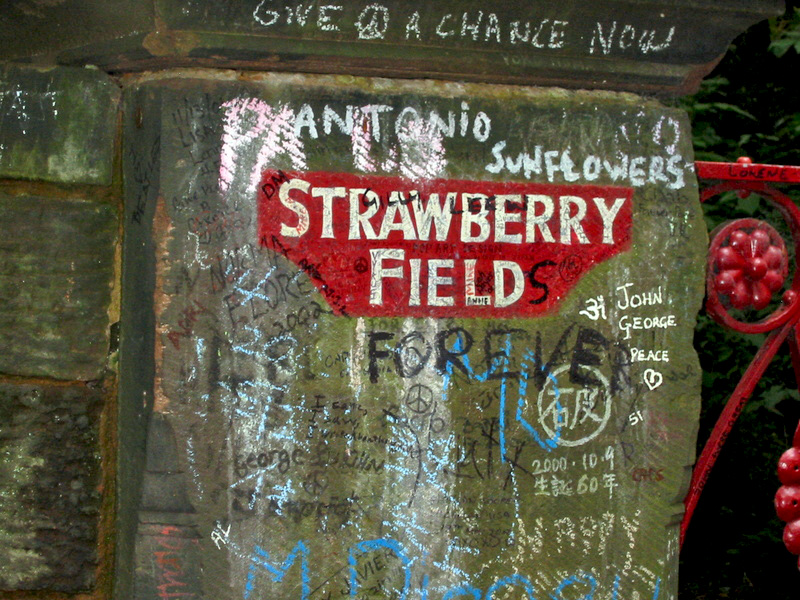
Address: Central Park West & W 72nd St, New York, NY, USA
The song “Strawberry Fields” does not speak to the act of creation.
Strawberry Fields speaks about the act of remembering.
A piece of rock history dedicated to the late great John Lennon. A place of quiet, not of sound. No stages, no shows, no amplification. Just being.
A reminder that music does not stop when the sound ends.
10. St. Brendan’s Church — November Rain Wedding Location, Los Angeles, USA
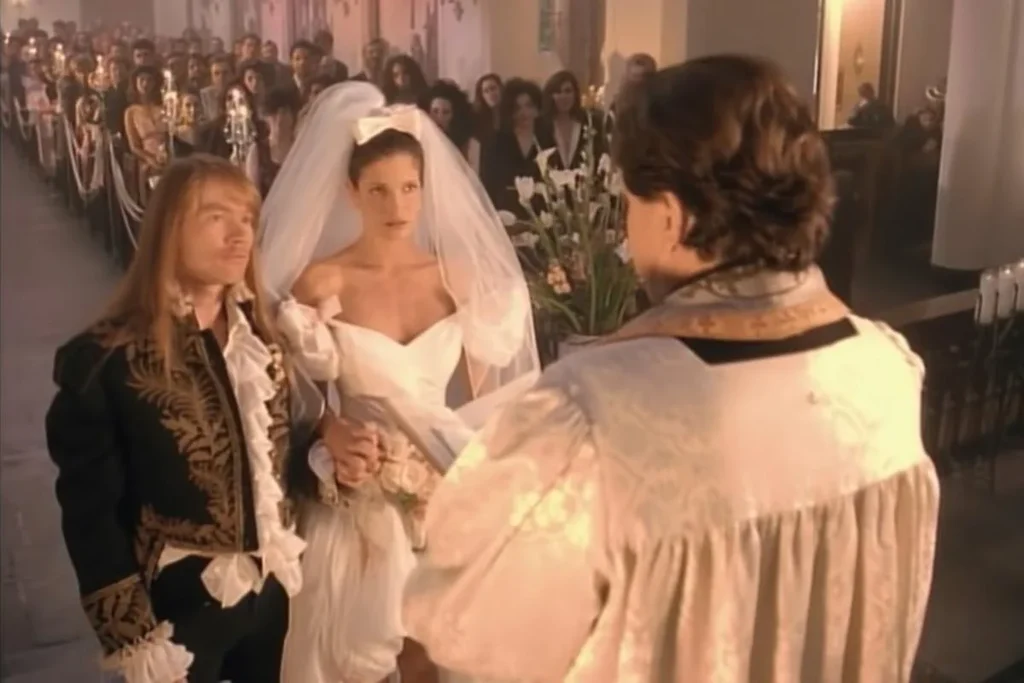
Address: 310 S Van Ness Ave, Los Angeles, CA, USA
This church became legendary through imagery.
The wedding scene in the November Rain video transformed a rock ballad into mythology. The combination of sacred wedding and tragic death made the song a powerful visual statement about love and loss.
The church remains unchanged — a quiet structure housing one of the most significant moments in rock history.