Ever tried practicing guitar in your apartment? Or late at night? Or in a house with thin walls? You probably know these struggles. You want a usable amp and don’t want to pay a fortune, while still keeping your practice less annoying for everyone.
I’ve been there. Most players have.
The good news? There are a lot of options in 2026 for practice amps. You can get compact, quiet, and affordable amps that work with headphones and even have recording capabilities. And yes — every amp in this guide is for sale on Amazon with direct links, so you can check prices and reviews without hassle.
Let’s look at the best quiet practice amps for guitar that you can buy today.
Best Practice Amp for Guitar on Amazon (2026 Update)
Below are 6 standout practice amps that hit the sweet spot of value, tone, and usability. These aren’t stage amps pretending to be quiet. These are amps designed to sound good at bedroom volume.
Yamaha THR10II
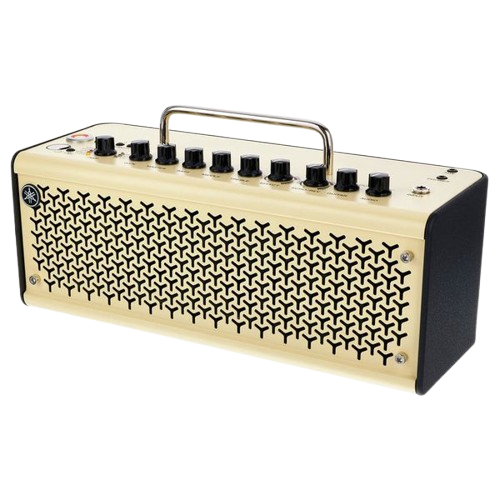
If you care about tone at low volume, the Yamaha THR10II is almost unfairly good. This amp doesn’t behave like a traditional combo — it sounds more like a studio monitor with amp modeling baked in. Clean tones are rich and three-dimensional, while distorted sounds stay tight and controlled even at whisper levels. It’s perfect for apartments, late-night practice, and recording via USB.
Pros & cons: Amazing low-volume tone, great for recording – pricier than basic practice amps.
Positive Grid Spark 40
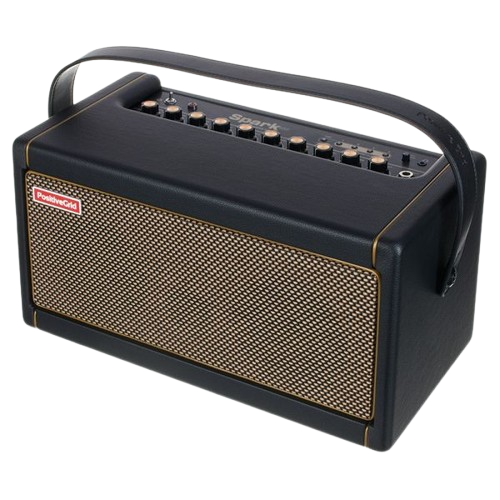
The Positive Grid Spark is a value monster. It’s a modeling amp, a Bluetooth speaker, and a practice assistant all in one box. You get hundreds of tones, built-in effects, backing tracks, and smart jam features. Most importantly, it sounds good at low volume, which is where many modeling amps fall apart.
Pros & cons: Huge feature set, inspiring tones – app-dependent for deep control.
Boss Katana Mini
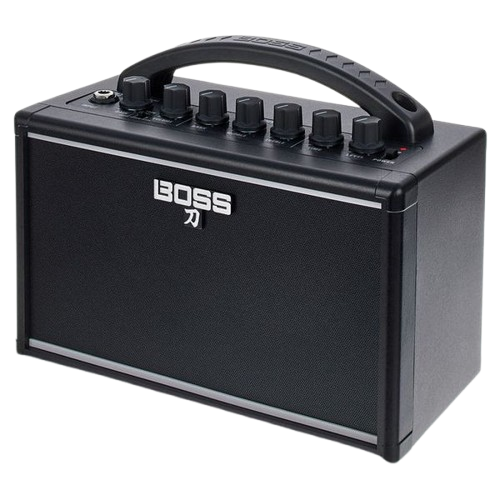
The Boss Katana Mini proves you don’t need size or wattage to get good tone. This amp is tiny, affordable, and shockingly punchy for its size. It handles clean, crunch, and high-gain sounds better than most amps twice the price, and it excels at quiet practice. Throw in battery power and a headphone output, and it’s a no-brainer for beginners or travelers.
Pros & cons: Portable, great distortion – limited EQ and effects.
Fender Mustang LT25
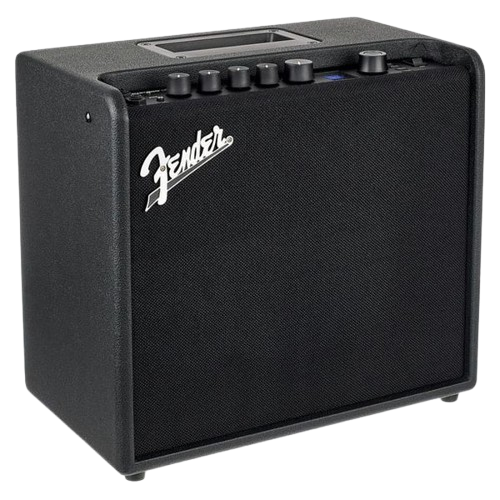
If you want a traditional amp feel with modern flexibility, the Fender Mustang LT25 delivers. It offers classic Fender cleans, usable high-gain tones, onboard effects, and a headphone jack for silent practice. It’s simple enough for beginners but deep enough to grow with you.
Pros & cons: Familiar Fender sound, easy to use – plastic feel compared to premium amps.
Blackstar Fly 3
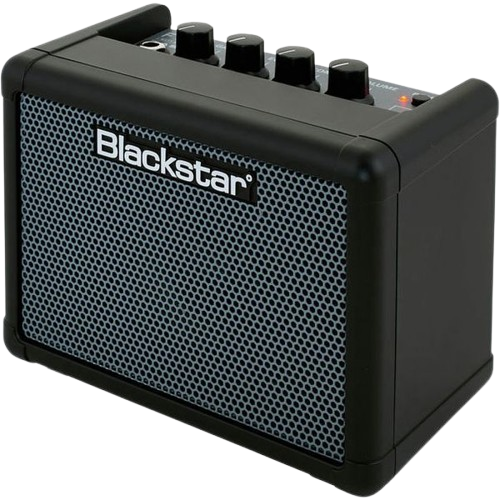
The Blackstar Fly 3 is the definition of “cheap but not trash.” It’s ultra-compact, affordable, and surprisingly musical at low volumes. Clean tones are clear, overdrive is usable, and it’s perfect for desk practice or travel. Don’t expect room-filling sound — that’s not the point.
Pros & cons: Extremely affordable, very portable – limited low-end.
Orange Crush 20RT
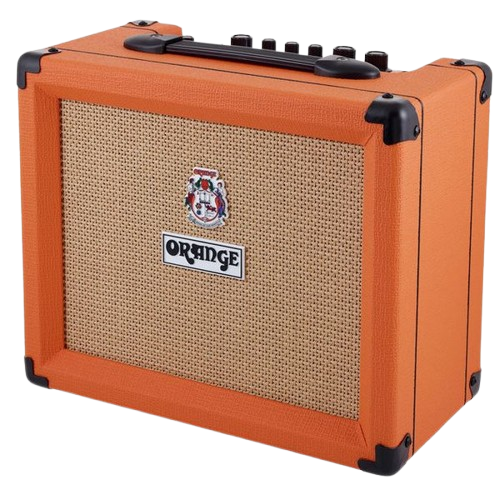
If you like simple controls and analog feel, the Orange Crush 20RT is worth a look. It has a proper spring reverb, tuner, and headphone output, and it delivers thick, warm tones at low volume. This amp feels more “old-school” than modeling amps, which many players prefer.
Pros & cons: Real amp feel, great crunch – fewer built-in effects.
How to Pick a Guitar Practice Amp
Practice amps should be a personal choice based on preference and comfort. Practice amps aren’t about what brand you prefer or what amp has the most wattage. They are about what amp best suits you.
Volume Control and Low-Volume Tone
The most important factor of any practice amps should be the volume. Different amps can sound dramatically different at various volume levels. Some amps sound great at high volume, but sound terrible at low volume. These amps are a waste of money for practice amps because one of the main purposes of a practice amp is to be able to play at low volumes. Some amp manufacturers even make models that are designed to be used at low volumes. These models usually have a headphone output so you can plug in and play without disturbing anyone. Some amps even have bedroom mode, which automatically sets the volume to bedroom levels. These amps are great for modular practice.
Type: Modeling vs Solid-State
There are different styles of practice amps, usually one of three basic types: Modeling, info, and Tube amps. Modeling amps are the most flexible because they have the most features, and some allow practice silently. Solid-state amps are more basic, and offer more predictable performance. As a rule of thumb, if you are in an apartment or on a shared floor, tube amps are a bad choice. Tubes get really loud and can more than often create exceptionally angry neighbors.
Price Range
Price is also a factor of different practice amp types. Practice amps on the lower end of the pricing scale, usually below $100, are usually in desperate survival mode. Practice amps that are more in the range of $150 to $300 offer the best overall performance for the price. Practice amps that go over $300 usually offer more advanced price features, such as sound quality or more advanced features that may not even be used or needed.
Brand Reputation
Brand reputation and experience also play a big part in the price of practice amps. Brands like Boss, Fender, Orange, Blackstar, and Parallel Grid are some of the most consistently recommended voices in the practice amp section of the marketplace.
Size and Portability
How annoying is the amp to move or to carry. Is it like carrying a brick? Will carrying an annoying amp to carry make you practice less? Will less practice lead to a smaller amp? Its like a vicious cycle, but in the end, a smaller practice amp will usually be more functional. a more functional practice amp will encourage you to practice more, which will lead to more skill development on the guitar.
Practice Amp FAQs
Is electric guitar easier to practice quietly than acoustic?
Yes. With headphones and low-volume amps, electric guitar is far more apartment-friendly.
How much should I spend on a practice amp?
$150–300 gets you solid value. Below that, compromises stack up fast.
Do I need effects in a practice amp?
Not required, but built-in effects can make practice more fun and reduce pedal purchases.
Are modeling amps good for beginners?
Absolutely. They help you explore sounds and stay motivated.
Is a headphone jack mandatory?
If you live with other humans, yes. Period.
Can practice amps be used for recording?
Many can. USB output is a big bonus if you record at home.
Are small amps bad for tone?
Not anymore. Some small amps sound better than old full-size combos.
Is wattage important for practice?
No. Tone quality matters more than power rating.
Can I use a bass amp for guitar practice?
You can, but guitar amps shape tone better for guitar frequencies.
Are tube practice amps worth it?
Usually not for quiet environments. Solid-state wins here.
Do expensive amps make you a better player?
No — consistent practice does. But good tone helps motivation.
Is Bluetooth useful in a practice amp?
Surprisingly yes. Backing tracks = more practice.
Should beginners buy used amps?
If you know what to look for, sure. Otherwise, new is safer.
Will a practice amp last long?
Yes. Many last decades with basic care.
Concluding Remarks
A decent practice amp for guitarists should do three things: sound pleasing at low volume, keep you within budget, and, make you want to play more. In 2026, you can have all three. The practice amps listed, show what real value is, without the marketing fluff.
If you are starting out and replacing your bad practice amp, or need a quiet practice setup at home, you can trust the listed amps on Amazon.
Don’t rush you decision, look at all the reviews and pick the best fit.
Choose the amp that makes you want to play as soon as you get it, not someday in the future!