There’s a lot to think about when trying to choose your first electric guitar. You need to find something that’s affordable, sounds good, good quality, and suits all of your personal preferences. I know first hand how frustrating this can be because of all the marketing gimmicks and guitar newbie traps that get thrown your way, but rest assured, I’ll do my best to point you towards a good value guitar that will enable you to keep pushing towards your musical goals instead of slowing you down.
As good as it is to have high expectations for a guitar, it’s not realistic to get an instrument for under $1000. Since 2020, many guitars offer awesome value for money, and being under $1000, is 2026’s guitars really a great value! They have a diverse range of tones and build quality that can meet the needs of any guitarist. Whether you love bending notes in a soulful bluesy style, crushing tight riffs in some modern metal, or just jamming with pedals for fun, these guitars can do all that and so much more.
So, what do you say? Let’s check out some of the guitars for yourself.
Best Electric Guitars Under 1000 Dollars (2026 Update)
Below you’ll find the guitars that consistently outperform others in their price bracket. Some lean vintage, some lean modern, but all offer a disproportionate amount of quality for the money. Each description includes an affiliate link when appropriate, placed naturally and without spam.
1. Fender Player Stratocaster
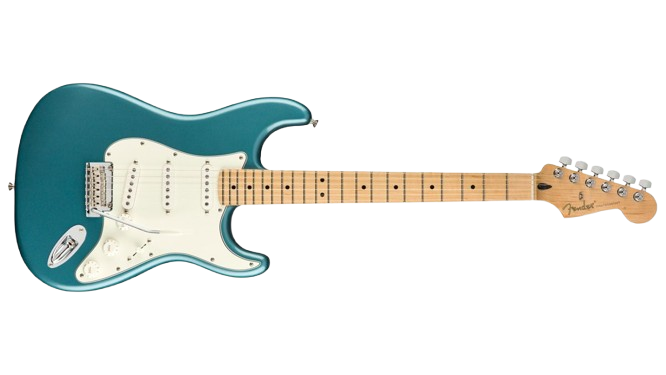
If there’s one guitar in this price category that almost everyone agrees on, it’s the Player Strat. This thing delivers the classic snap, shimmer, and smooth playability that made the Stratocaster legendary. The modern C-shape neck feels comfortable even for players who struggle with hand fatigue. The Alnico V pickups offer a balanced voice: clear highs, scooped mids, and enough warmth to make clean tones feel alive. It’s a guitar you can keep for years because it adapts to wherever you go musically.
This is perfect for blues players, funk lovers, indie rhythm guitarists, and anyone who wants versatility with zero drama.
Pros: iconic tone, super playable.
Cons: single-coil hum is real.
2. Epiphone Les Paul Standard ’60s
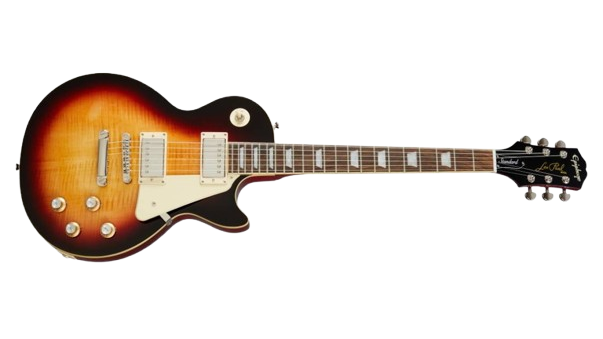
Epiphone Les Paul Standard ’60s
If you’re chasing thick rock tones, long sustain, and that unmistakable ’60s attitude, this Les Paul is a powerhouse. The ProBucker pickups replicate vintage PAF character surprisingly well – punchy mids, rounded highs, and enough body to make riffs feel like they’re eating the room. The SlimTaper neck profile adds a modern twist, making fast runs and bends much easier than the beefier 50s style. The tuning stability is solid thanks to upgraded hardware.
Ideal for rock, metal, classic blues, and anyone who wants a big, bold humbucker sound under 1000 dollars.
Pros: massive tone.
Cons: heavier than average.
3. PRS SE Custom 24
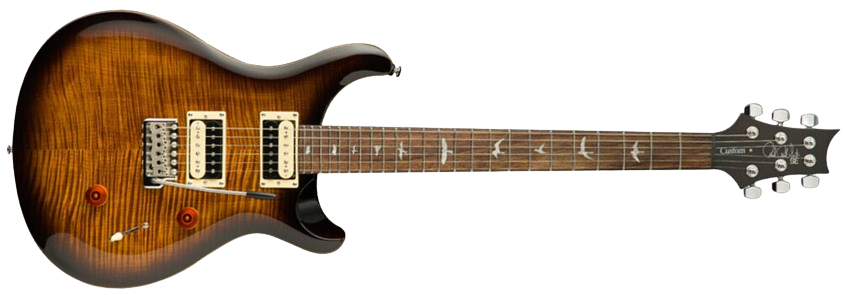
The SE Custom 24 often feels like cheating at this price point. The coil-split feature gives you single-coil brightness and humbucker power in one guitar. The 24 frets open up more expressive lead territory, and PRS’s wide-thin neck profile is legendary for comfort. The tremolo bridge holds tuning far better than most mid-tier guitars, letting you go wild without feeling guilty.
If you want one guitar that genuinely does almost everything well – rock, jazz, fusion, pop, heavier genres – this one’s a killer choice.
Pros: ultra versatile.
Cons: coil-split isn’t 100% Strat-like.
4. Ibanez RG470AHM
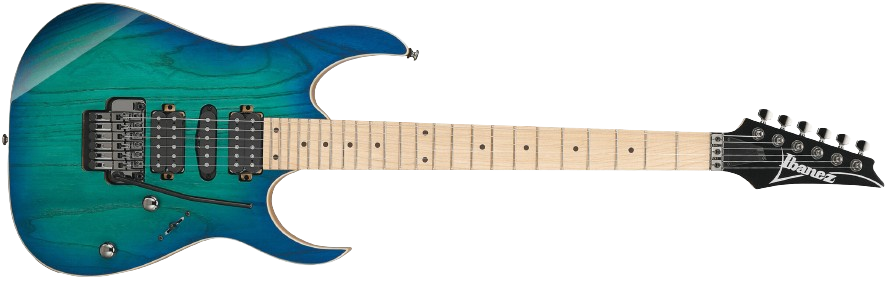
For the players who want speed, precision, and modern aggression, the RG series still dominates. The Wizard III neck is paper-thin in a good way, letting your hand glide without effort. The Quantum pickups lean toward articulate high-gain tones, making this guitar ideal for metal, djent, progressive stuff, and fast technical playing. The double-locking tremolo stays shockingly stable once set up right.
This is your weapon if you’re a shredder, a modern metal player, or anyone who wants surgical precision.
Pros: fastest neck in the price range. Cons: tone may be too bright for vintage lovers.
5. Yamaha Revstar Standard RSP20
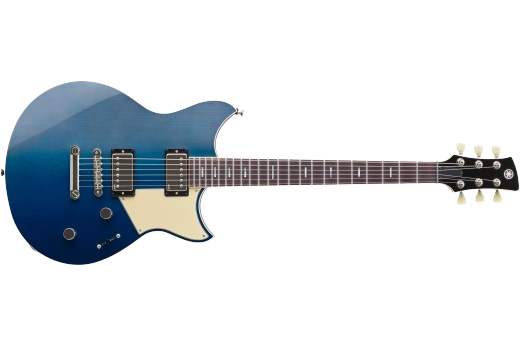
The Revstar line is criminally underrated. The RSP20 brings a punchy, fat, modern voice with comfort contours that feel custom-made. The pickups are expressive, and the “focus switch” tightens the low-end for more aggressive tones. The build quality is absurd for this price – Yamaha really doesn’t play around when it comes to craftsmanship. It’s one of those guitars that immediately feels familiar.
Great for alternative rock, blues-rock, and players who want something that looks different without sacrificing reliability.
Pros: amazing craftsmanship. Cons: slightly heavier body shape.
6. Schecter C-1 Platinum
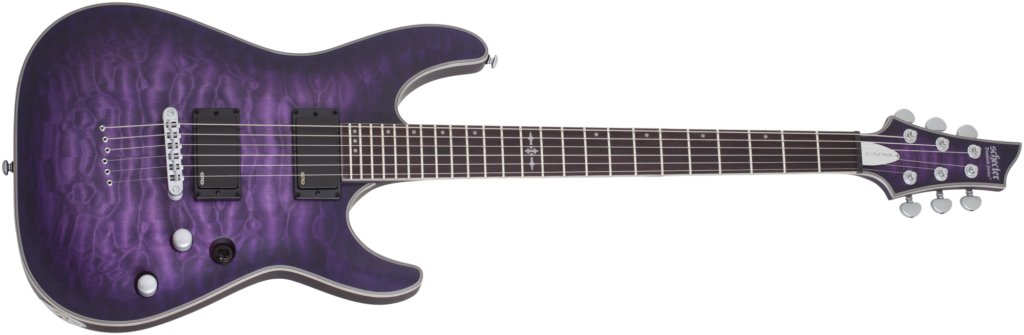
Schecter’s C-1 Platinum is built for players who want tight, powerful tone with modern edge. The active EMG pickups give you crushing sustain and clarity, especially under high gain. The thin-C neck is incredibly comfortable and surprisingly versatile. The satin finish on the back feels fast and premium. If you’re into modern rock, metal, or anything heavy, this guitar basically says “gimme my money” with every palm mute.
It’s built like a tank and feels ready for stage abuse right out of the box.
Pros: active tone monster. Cons: less dynamic for cleans.
How to Choose the Right Electric Guitar
Choosing the right guitar is where most beginners hit an emotional wall. The options feel endless, the opinions overwhelming, and the fear of choosing wrong is real. But once you break the decision into a few key categories, the whole thing gets way easier.
1. Pickup Type
Single-coils give you clarity, brightness, and definition. Humbuckers give you warmth, body, and punch. P90s sit in the interesting middle ground. Choosing pickups is really about choosing the “voice” that supports your style.
2. Tonewoods
Alder and ash bring balanced, articulate tones. Mahogany brings warmth and sustain. Maple caps add brightness. Basswood is neutral and responsive. These aren’t rules – just tendencies – so trust your ears.
3. Neck Profile & Scale Length
If comfort is your priority, focus on neck shape: C-shape, slim-taper, wide-thin – they all feel different. Scale length matters too. Longer scales (25.5”) have snappier tension. Shorter scales (24.75”) feel slinkier and warmer.
4. Hardware Quality
Tuners, bridges, and nuts might not sound exciting, but they decide whether you enjoy the guitar or fight it. Stable tuning = happier life.
5. Brand Reputation
Some brands deliver insane value in the mid-tier category. Fender, Epiphone, PRS, Yamaha, Ibanez, Schecter – all offer extremely reliable gear under 1000 dollars.
6. Personal Comfort
This one is underrated. The guitar should motivate you to pick it up. If it feels like a chore to play or doesn’t inspire you, forget it.
Tips for Beginners & FAQs
Below are the real questions people search for. No fluff, just clear answers.
1. Is electric guitar easier than acoustic?
In most cases, yes. Electric guitars usually have lighter string tension, slimmer neck profiles, and much lower action, which makes fretting notes and bending strings easier. For beginners, this often means less finger pain and faster progress. Acoustic guitars demand more hand strength early on, which can be discouraging for some players.
2. How much should I spend on my first guitar?
If you’re serious about learning, $300–600 is a realistic starting range. Guitars here are playable, reliable, and won’t fight you. If you want something that can grow with you for years, $700–1000 is the sweet spot — better pickups, stronger hardware, and more consistent quality control. Below $300, compromises become noticeable very quickly.
3. Are Les Pauls harder to play than Strats?
Not harder — just different. Les Paul–style guitars usually have a shorter scale length, chunkier necks, and heavier bodies. This makes them feel solid and powerful, but also less forgiving if you prefer lighter instruments. Strats feel more ergonomic and airy, while Les Pauls feel dense and grounded.
4. What genres is a Strat good for?
Strats are incredibly versatile. They shine in blues, funk, pop, indie, worship, classic rock, and even lighter alternative styles. Their bright, articulate tone cuts through mixes easily and responds well to dynamics. With the right pickups and amp, a Strat can handle far more than people expect.
5. Are humbuckers better for metal?
Yes, generally. Humbuckers cancel noise and handle high-gain settings with more clarity and punch. They deliver thicker mids and tighter low end, which is ideal for distorted riffs and palm-muting. Single-coils can work for metal, but they’re less forgiving under heavy gain.
6. Should beginners avoid tremolo bridges?
Floating tremolo systems can be frustrating early on. They complicate tuning, string changes, and setup. Beginners usually have a smoother experience with hardtail bridges or simple 2-point non-locking tremolos, which offer stability without excessive complexity.
7. What’s the difference between a C-shape neck and a slim-taper neck?
A C-shape neck feels rounder and more traditional, fitting naturally into the hand. A slim-taper neck feels flatter and faster, often preferred by lead players and those with smaller hands. Neither is better — comfort is personal.
8. Do cheaper guitars stay in tune?
Some do, but tuning stability usually drops below the $300 range. Cheaper tuners, softer nuts, and inconsistent setup make a big difference. Mid-tier guitars generally hold tuning far better, which means less frustration and more actual playing.
9. Should I buy a guitar with 22 or 24 frets?
If you play a lot of lead guitar or modern styles, 24 frets give you extra range for solos. For rhythm players or classic rock styles, 22 frets are more than enough and often come with a slightly warmer neck-pickup tone.
10. Are coil-split guitars worth it?
Yes — especially if you want flexibility. Coil-splitting lets you access brighter, single-coil-like tones from humbuckers, giving you more sounds without switching guitars. While not identical to true single-coils, the added versatility is very practical.
11. Are PRS SE guitars good for beginners?
Absolutely. PRS SE models are known for excellent build quality, comfortable necks, and consistent setups. They’re beginner-friendly but absolutely professional enough to stay with you for years.
12. Is active or passive better?
It depends on your style. Active pickups offer tight, modern precision and consistent output, making them popular in metal. Passive pickups provide more warmth, dynamics, and character, responding better to touch and volume changes.
13. Do string gauges matter?
Yes, more than many beginners realize. Thicker strings sound fuller and tighter but require more finger strength. Lighter strings bend easily and feel smoother, but can sound thinner. Most beginners start comfortably with 9–42 or 10–46 sets.
14. Should my first guitar be a Strat or a Les Paul?
It comes down to taste. Strats are brighter, snappier, and feel lighter. Les Pauls are warmer, thicker, and more powerful sounding. Choose the one that fits the music you love — that matters more than specs.
15. How long should a good guitar last?
Decades. With basic care — string changes, occasional setup, and proper storage — a well-built guitar can last a lifetime. Many players use the same main instrument for 20–30 years or more.
16. Do expensive guitars sound better?
Not always. Higher-end guitars may use better woods, pickups, and hardware, but tone still depends heavily on the player, amplifier, and setup. Many mid-range guitars can sound excellent in the right hands.
17. What pickups should beginners choose?
For versatility, many beginners choose HSS or HH pickup configurations. These setups allow players to explore both clean tones and heavier distortion without needing multiple guitars.
18. Is guitar weight important?
Yes. Some guitars like Les Paul models can be significantly heavier than Strat-style guitars. If you practice standing or perform live, a lighter instrument can reduce fatigue during long sessions.
19. Can a beginner start with a used guitar?
Yes, buying used can be a smart way to get a higher-quality instrument at a lower price. Just make sure the guitar has no structural damage, the neck is straight, and the electronics work properly.
20. Do I need a setup after buying a guitar?
Often, yes. A professional setup adjusts string height, neck relief, and intonation. This can dramatically improve playability, especially on factory-produced guitars.
21. What accessories should beginners buy with a guitar?
A few basic items make learning easier: a tuner, picks, extra strings, a strap, and possibly a gig bag or stand. These accessories help protect the instrument and keep it ready to play.
22. How often should guitar strings be changed?
For regular players, strings usually last about one to three months. If the guitar starts sounding dull or feels harder to tune, it’s usually time for a fresh set.
23. Is it better to learn rhythm or lead guitar first?
Most beginners start with rhythm playing because it builds chord knowledge and timing. Once those fundamentals are comfortable, learning lead techniques becomes much easier.
24. Can a guitar under $500 be used professionally?
Yes. Many professional musicians use mid-priced guitars for touring and recording. Modern manufacturing has made affordable instruments far more reliable than they were decades ago.
25. What matters most when choosing a guitar?
Comfort, inspiration, and reliability. If a guitar feels good in your hands and makes you want to play every day, it’s the right instrument.
Conclusion
Electric guitars become a serious instrument when looking at prices just below 1000 dollars. At this price point, guitars feel and play like pros, have advanced and fully developed tones, and have hardware and construction that won’t let you down. These guitars are not temporary beginner instruments. Instead, they are designed with serious longevity in mind.
Guitar players now have the opportunity to choose an instrument that fills them with inspiration. If a specific model interests you, do some more research on that model. Listen to what others have to say about its tones. Picture how it will feel when it’s in your hands. Your passion and belief that you need to play it is a strong signal that it’s the right choice for you.