If you’re exploring finger-style playing, hybrid picking, or just want a sharper attack and louder tone with less fingertip fatigue, adding finger picks (and/or a thumb pick) is a smart move. These little tools can give your guitar tone more bite, consistency and volume — especially useful when playing acoustic, steel-string, or folk styles.
In this guide, I’ll walk you through what finger picks are, why you might use them, how to pick the right set, and show you top beginner-friendly finger pick models you can grab today (with affiliate-friendly links). Let’s make sure you’re set up with tools that inspire you to play more.
What are Finger Picks (and Thumb Picks) & Why Use Them?
A finger pick is a small plectrum-style device worn over a fingertip (or thumb) that lets you pluck strings with a firm surface instead of your bare nail or fingertip.
Here are the key advantages:
- Clearer attack and louder tone — Because the pick gives a consistent surface, you’ll get more uniform sound, which can help when playing acoustic or in ensemble settings.
- Less wear on your nails or fingertips — If your nails aren’t strong or you don’t want to maintain long nails, picks give you a reliable alternative.
- More volume & projection — Especially helpful for backing tracks, recording, or when your guitar isn’t mic’d.
- Different materials, sounds & feels — Plastic vs metal picks offer different tone colours.
- Versatility — Some finger-style players use thumb-pick + bare fingers; others use full finger-picks on index/middle + thumb. It depends on the style.
That being said — they’re not required: many fingerstyle guitarists thrive on bare fingertips or nails. Using finger picks is a choice, not a rule.
How to Choose the Right Finger Picks for Beginners
Choosing your first set of finger picks might feel a little weird at first, but here are the criteria that matter — and what you should look for if you’re starting out.
Fit & comfort
- The pick should fit snugly (so it doesn’t spin or come off) but not so tight it cuts off circulation or annoys your fingertip.
- Try on different sizes or materials if possible (plastic vs metal).
- If you’re new to picking, a plastic pick might feel gentler and less abrasive than a metal one.
Material & Tone
- Plastic picks (celluloid, Delrin) are common and give decent tone, moderate brightness.
- Metal picks (nickel-silver, brass) give more volume and sharper attack — but may be harsher on your guitar’s strings/fretboard and may take more adjustment.
- Consider how the pick sound matches your guitar and style: if you play soft finger-style folk, maybe a plastic pick; if you play acoustic lead or folk with strum + pick, a metal pick might suit.
Number & configuration
- Some players use just a thumb pick and bare fingers for the rest. Others wear finger picks on index & middle (and sometimes ring) plus a thumb pick.
- For beginners: starting with a thumb pick + maybe one finger pick is fine; you can add more later.
Practice & technique
- Using picks changes your feel — you’ll need to adjust your right-hand motion, hand rest/position, and maybe your attack angle. A good hand position helps for both bare fingers and picks.
- Give yourself time to adapt. Many beginners drop them or abandon them because they feel awkward at first.
- Try different shapes, gauge/thicknesses and materials — what suits you matters more than what looks “pro”.
Budget & value
- Finger picks aren’t expensive — you can get solid sets for under €10-£15.
- Because they’re small, you can easily try a few different sets to find your favourite. Forums recommend trying several.
- Pick a trusted brand so you know you’re getting durable and usable picks.
Top Beginner-Friendly Finger Picks to Consider
Here are 8 recommended models (from budget to premium) that beginners can purchase today. Use the affiliate links to check current pricing/availability.
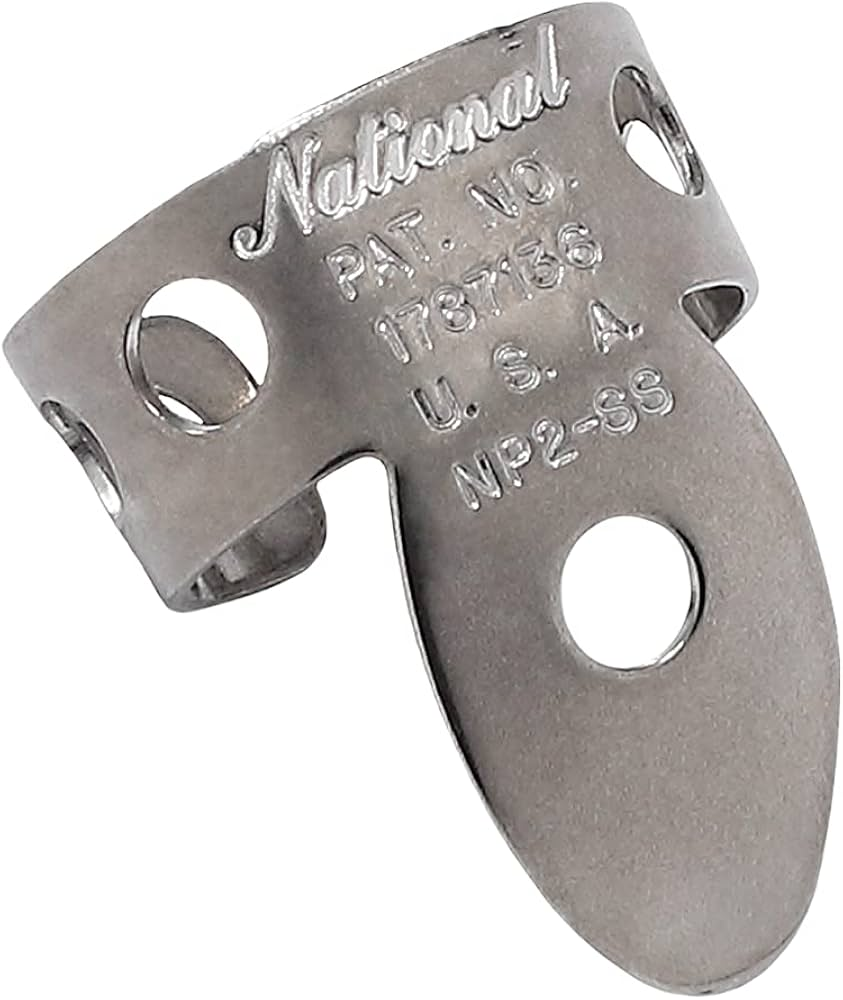
- D’Addario National Fingerpicks NP2SS‑04: Premium adjustable finger-picks; metal build, reliable fit and tone—great if you’re committed to finger-style and want durability.
- Dunlop Nickel Silver Thumb & Fingerpicks: A solid combo pack with thumb + finger picks in nickel-silver; offers metal tone at a more moderate price.
- ProPik Fingertone Split Wrap Fingerpick: Wrap-around design for finger tips; comfortable and innovative—good for those who want extra comfort.
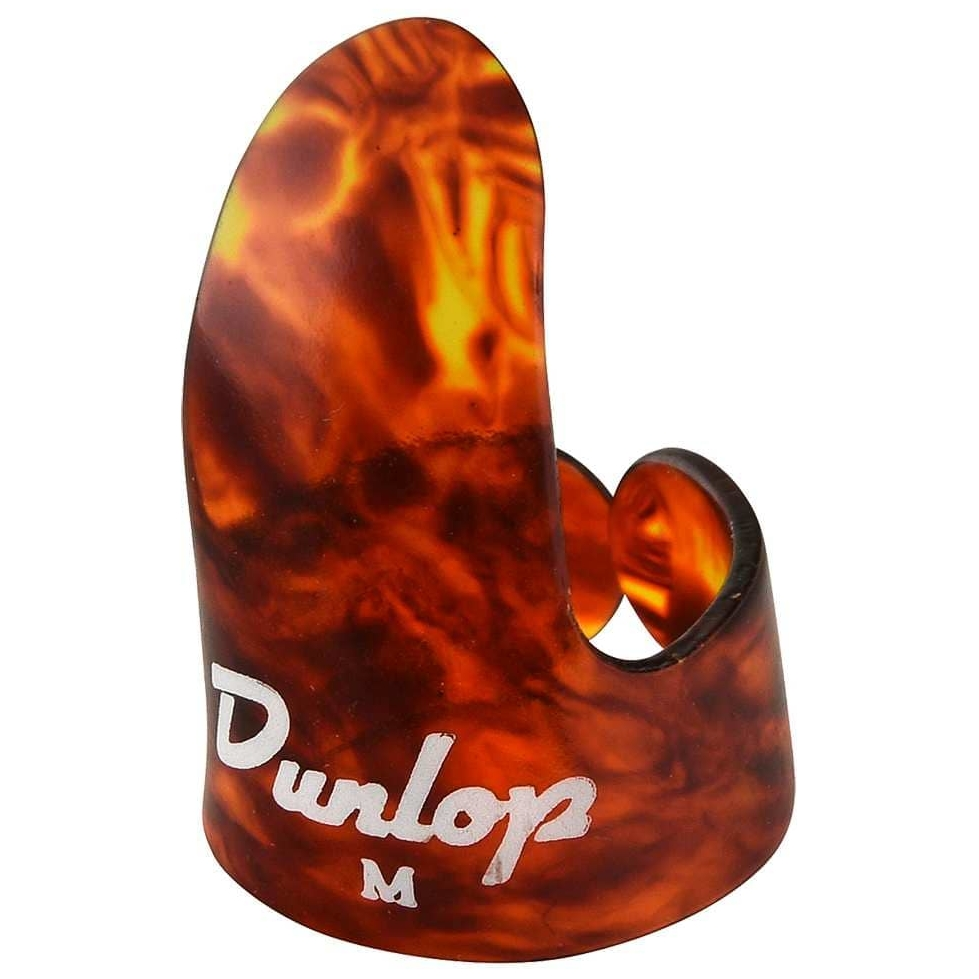
- Dunlop Fingerpick Shell Large: Budget plastic pick (shell-style) large size; great for trying finger picks without spending much.

- Dunlop Fingerpick Shell Medium: Similar to above but medium size—good if large ones feel too loose.
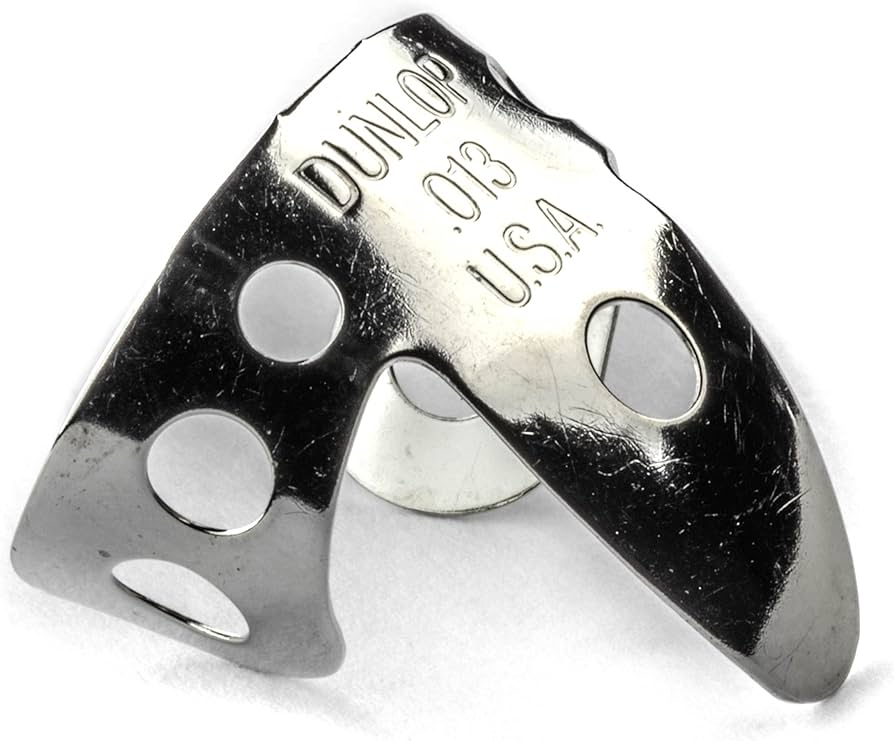
- Dunlop Nickel Silver Tube Fingerpicks 0.13: Metal tube style finger pick, 0.13 gauge; louder, sharper tone—better if you’ll play acoustic lead or soloing.
- Alaska Fingerpicks S: Ultra budget option small size; useful if you want to experiment or have smaller fingers/hands.
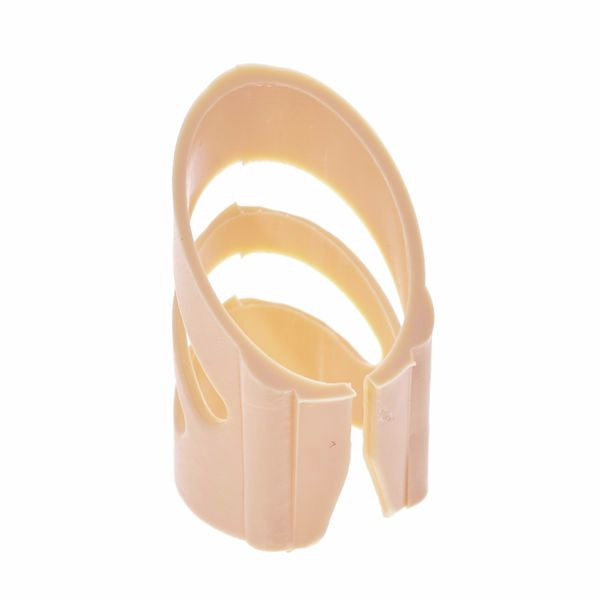
- Dunlop Finger & Thumb Players Pack Medium: Starter pack with both finger + thumb picks in medium size; excellent for beginners building a tool-kit.

Recommendation
If I were advising a beginner picking their first finger pick (and thumb pick) setup, here’s what I’d say:
- Start simple: buy a beginner pack like the Dunlop Players Pack (finger + thumb) or a budget plastic pick (Dunlop Shell) and use it for a couple of weeks.
- Check how it feels: is it comfortable on your finger(s)? Does it stay in place? Does the tone feel better to you?
- If you like it and you’re playing finger-style often, invest in a better material (metal) like the D’Addario or the ProPik. The improved tone and feel justify the cost.
- If you’re playing softer/folk styles or just occasional plucking, plastic picks might be enough—and you’ll save budget for other accessory upgrades.
- Make sure you pair it with a good right-hand technique: stable position, comfortable wrist/hand, consistent attack. The picks will help, but your technique is still key.
- Don’t stress about “perfect pick” yet—comfort, tone you like, and habit of use matter more. Once you play longer, you’ll refine your preference.